Hello, wonderful ladies! Today, let's delve into a topic that may not be familiar but is crucial to know about—breast angiosarcoma. This rare type of cancer can occur in the blood vessels of the breasts, and it's essential to understand its causes and symptoms. Read on for a closer look brought to you by Fitie!
What is Breast Angiosarcoma?
Breast angiosarcoma is a rare form of cancer that starts in the cells lining the blood vessels and lymph vessels of the breasts. Unlike more common breast cancers that begin in milk ducts or lobules, angiosarcoma arises in these vessels. Notably, there are two types:
1. Primary Angiosarcoma:
- Occurs without prior breast cancer treatment.
- Presents as indefinite lumps or masses, spreading from breast tissue to the skin and nearby areas.
- Often found in women aged 30-40.
2. Secondary Angiosarcoma:
- Linked to past radiation therapy for breast cancer or lymphedema (swelling post-surgery or radiation).
- More common, typically appearing 5-10 years after radiotherapy.
- It tends to affect women aged 67-71.
Symptoms of Breast Angiosarcoma:
The hallmark of this condition is its rapid progression. Symptoms may resemble other skin conditions, making diagnosis challenging. Here's what to look out for:
Primary Angiosarcoma:
- Fullness in the breasts.
- Rash or bruising.
- Rapid breast enlargement.
- Appearance of purple nodules.
Secondary Angiosarcoma:
- Rash or lump in the breast.
- Painful lump.
- Swelling in the breast or arm.
Diagnosis:
A breast biopsy is the primary diagnostic tool. This involves taking a small tissue sample for microscopic examination. For primary angiosarcoma, a breast biopsy suffices. In secondary cases, a biopsy of the skin exposed to radiation is necessary. Additional tests may include mammograms, MRIs, PET scans, and ultrasounds.
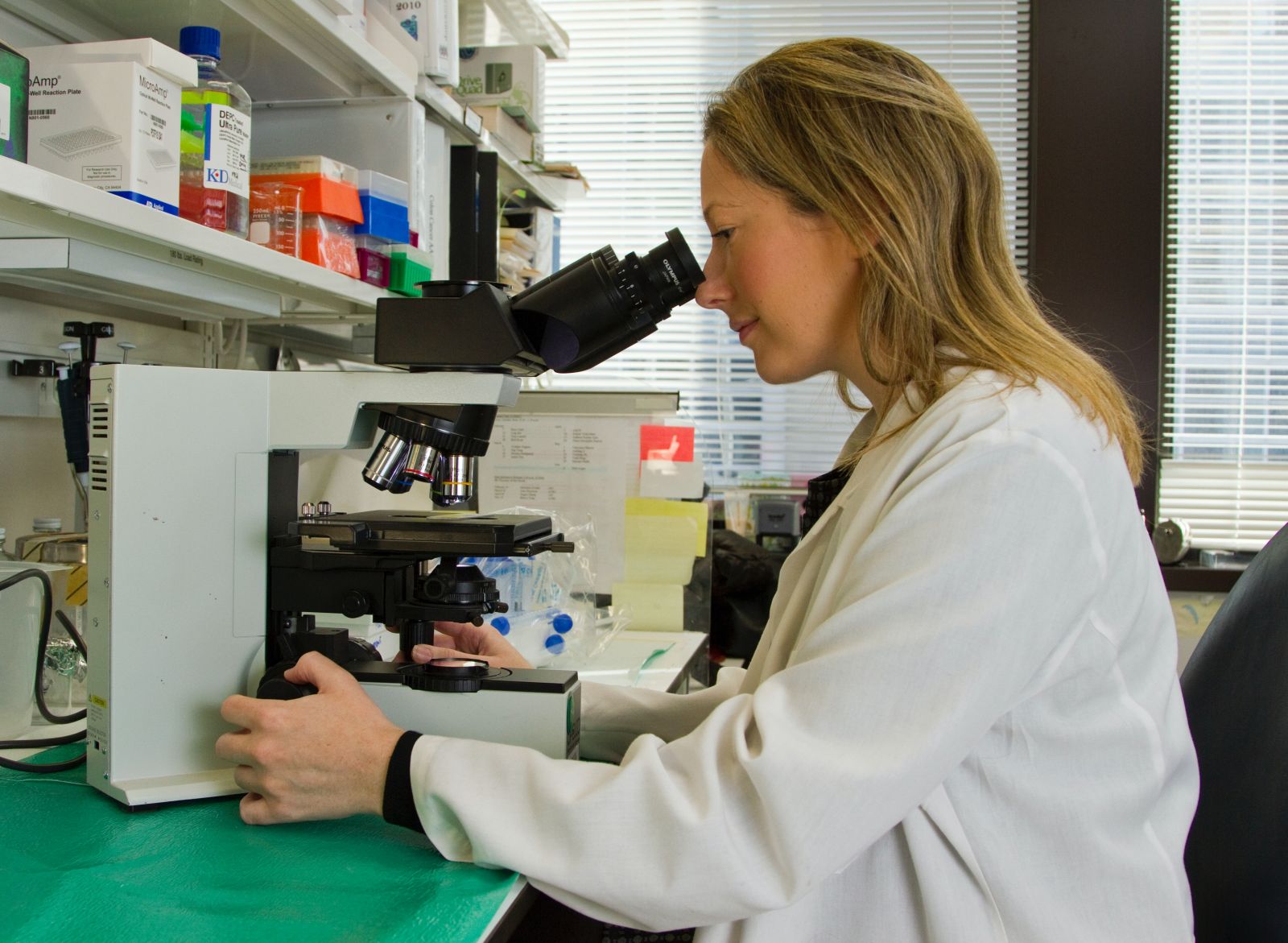
A biopsy must be performed to diagnose breast angiosarcoma
Treatment Options:
Given its aggressive nature, prompt and aggressive treatment is crucial. While no universal consensus exists due to its rarity, here are the primary treatment options:
- Surgery: Lumpectomy or mastectomy may be performed, depending on the extent of the cancer.
- Radiation Therapy: Effective for primary angiosarcoma but not as much for secondary cases.
- Chemotherapy: Involves targeted drugs to combat cancer cells.

Get self-care to fight breast cancer
Remember, being informed is empowering. Breast angiosarcoma can occur independently or as a result of radiation therapy. Symptoms may mimic non-malignant conditions, making awareness vital. If you have questions or concerns, Fitie offers an online consultation service for your convenience.
Stay informed, stay empowered!