Ever laid in bed, tossing and turning, waiting for sleep to come? Or maybe you blinked and found yourself in dreamland when your head hit the pillow? That's sleep latency for you. It's the time it takes to doze off after you've turned off the lights. The ideal range is around 10-20 minutes. It might mean you're sleep-deprived and super tired if it's much quicker. If it's longer, it could be because you're not tired enough or trying to sleep way too early.
Sleep latency matters because it determines whether you get enough quality sleep. Lack of sleep can mess with your daily mojo, causing trouble concentrating, mood swings, and even affecting your work performance. It can also pave the way for some serious health issues, like:
- Diabetes
- Heart disease
- Obesity
- Infections
- Depression
- Anxiety
When Sleep Latency's Too Long
If you fall asleep for more than 20 minutes, you might have a lengthy sleep latency. Causes can range from too-long naps to grappling with chronic pain. Sometimes, a long sleep latency can even be a sign of insomnia, leaving you tossing and turning, frustrated that sleep is elusive.
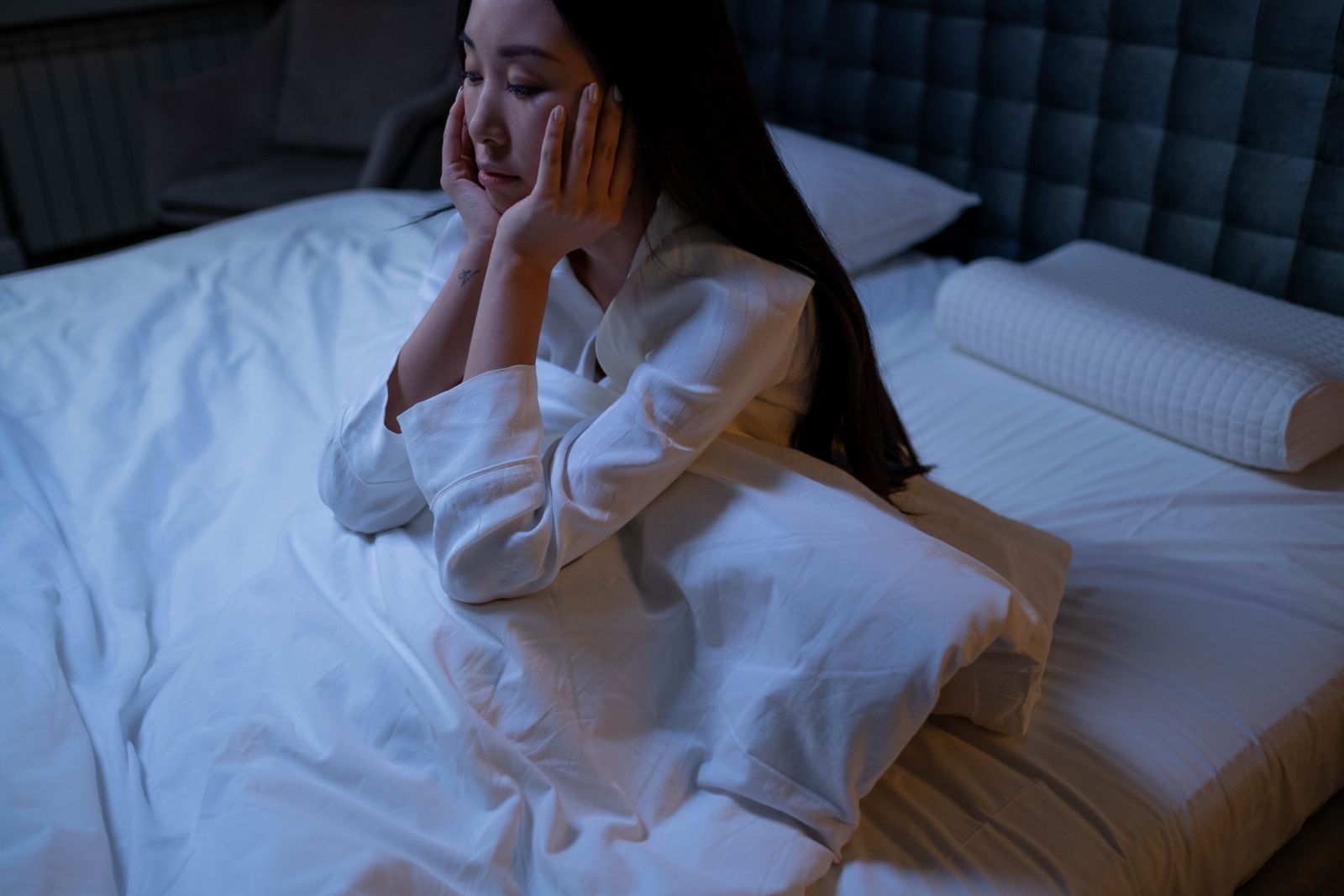 Insomnia causes long sleep latency
When Sleep Latency's Too Short
On the flip side, if you're whisked off to dreamland almost as soon as your head touches the pillow, your sleep latency is super short. This could be due to sleep deprivation, those nights when you burned the midnight oil or even a habit of sipping on that glass of wine before bed. Certain conditions like narcolepsy and idiopathic hypersomnia can also make your sleep latency super short, making you feel sleepy during the day.

Lack of sleep causes short sleep latency
Measuring Your Sleep Latency
Figuring out your sleep latency isn't a guessing game. It's best to get it checked by a healthcare pro, as self-measurement might not be as accurate. Generally, there are three ways to measure sleep latency: polysomnogram, multiple sleep latency test, and maintenance of wakefulness test.
1. Polysomnogram
This involves sleeping at a sleep center hooked up to sensors that monitor brain activity, breathing, and more. It helps gauge how quickly you enter different sleep stages, shedding light on whether your sleep latency is suitable.
2. Multiple Sleep Latency Test (MSLT)
If daytime sleepiness is your thing, this test's for you. It's all about napping and checking how long it takes you to fall asleep. If you nap within 20 minutes, that's your sleep latency. This test can help diagnose conditions like narcolepsy.
3. Maintenance of the Wakefulness Test
This one examines how long you can resist sleep in a dimly lit room. If you're struggling with sleep apnea or narcolepsy, this test can be helpful.
Boosting Your Sleep Latency
If you're grappling with sleep latency issues, there are steps you can take. For instance, if chronic pain's the culprit, addressing that is a priority. If anxiety's keeping you up, consider being more active during the day to tire out your body. And if you're piling up sleep debt due to a hectic work schedule, it might be time to prioritize rest.
On the flip side, if your sleep latency's too short due to lack of sleep, it's all about lifestyle changes if a medical issue's in the mix, seeking medical advice or treatment is the way to go.
So, there you have it! Now you know that chronic pain and daytime sleepiness can lead to longer sleep latency, while sleep deprivation, narcolepsy, or idiopathic hypersomnia can cause shorter ones. What's your sleep latency story, ladies? Share in the comments below!