Hello, lovely ladies! Have you ever experienced those pesky asthma attacks while trying to catch some Zs at night? We all deserve a good night's sleep, but waking up gasping for breath can be a real mood dampener. Let's decode why this happens and how to tackle it. Keep reading this Fitie article!
Asthma, a condition causing inflamed airways, can play tricks on us at night. Nocturnal asthma means your symptoms kick into high gear when the sun goes down. The worse your asthma, the higher the chance of nighttime flare-ups. Blame it on your lung function, taking a nosedive, and your airways become extra sensitive.
Lung function peaks around 4 pm but hits a low around 4 am. You can spot nighttime asthma by using a simple tool called Peak Expiratory Flow (PEF). This little test is done in the morning and before hitting the hay.

Asthma that is occurred during nighttime is called nocturnal asthma
The Whys Behind It
We don't have all the answers, but a few culprits might be behind your nighttime asthma. Hormones like epinephrine, cortisol, and melatonin, which dance to your body's internal clock, could be part of the story. These hormones kick up at night, stirring up inflammation in your airways.
Pregnancy, insomnia, obesity (thanks to extra throat fat-causing inflammation), and pesky gastroesophageal reflux disease (GERD) might also join the party and trigger your nighttime asthma.
More Than One Trigger
The night asthma monster strikes bring coughing, wheezing, and breathlessness. Hormones, obesity, and GERD might not be the only suspects. Common environmental triggers can be the sneaky culprits too. Take a look:
- Cigarette smoke, be it directly or secondhand.
- Allergens in your sleep space like dust mites, pests' leftovers, pet fluff, mold, and pollen.
- Late-night munchies with sulfites (found in grapes, dried fruits, shrimp, and processed potatoes) can be a trigger.
- Medications, even seemingly harmless ones like cold meds, eye drops, aspirin, and vitamins.
- Cold air, especially if the AC's too chill or the window's open.
- Other health conditions like colds, flu, and sinusitis.
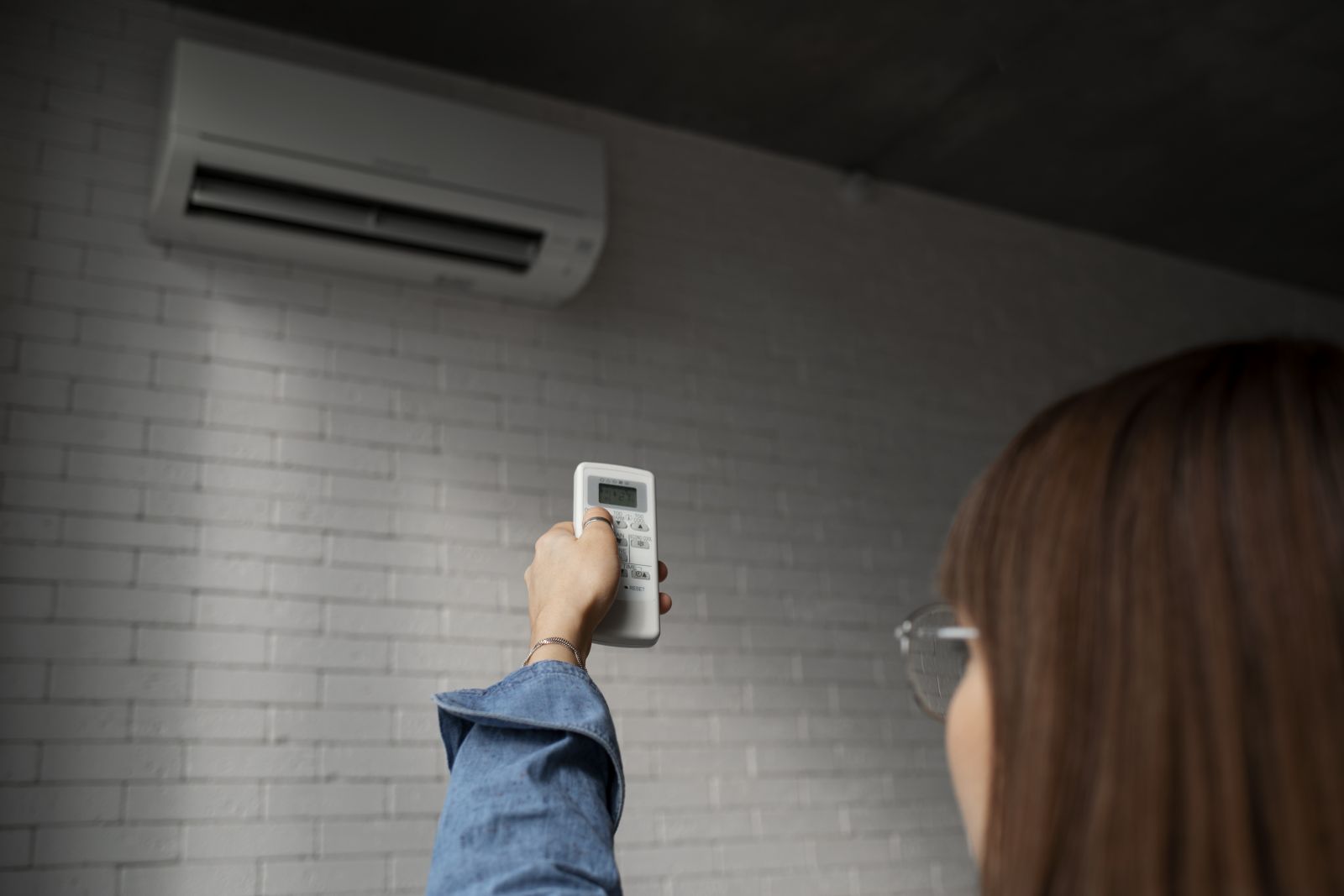 Cold air could trigger asthma
Taking Charge of It
When nighttime asthma strikes, reach out to a healthcare pro. They'll guide you and help craft an asthma action plan. The aim? To control and manage those pesky symptoms. Treatment revolves around finding the proper medication and reducing exposure to triggers. Meds are divided into two types:
1. Quick-relief Medications
These short-acting beta-agonists (SABA) act fast to soothe your airways. Inhale them to relax those constricted muscles.
2. Long-term Medications
These babies aim to prevent future attacks and lessen their severity. You've got inhaled corticosteroids, long-acting beta-agonists (LABA), leukotriene agents, and oral corticosteroids.
So, when asthma crashes your beauty sleep, remember it's called nocturnal asthma. It might be hormones, obesity, pregnancy, GERD, and environmental triggers like smoke, allergens, food, meds, cold air, or health conditions. If it's getting worse, chat with your doc pronto. Keep those Fitie articles rolling in!