Night terrors are common terms for episodes at night that cause a person to experience fear while sleeping. This condition often occurs in children but is also possible in adults (especially those with bipolar disorder, anxiety, and depression). Night terror attacks usually last between 30 seconds to 3 minutes and can even be longer.
Night Terror vs. Nightmare
Night terrors and nightmares have different symptoms. A person will usually wake up when having a nightmare and remember the details of its contents. At the same time, those who experience night terrors tend not to wake up. Night terrors occur in the first third of the night, when you sleep soundly (Non-REM sleep), while nightmares occur just before sleep ends (REM sleep) or towards morning.
Symptoms
Night terrors have different symptoms from nightmares and sometimes cause someone to experience sleepwalking. These differences may occur due to differences in the sleep phase in which night terrors occur. Signs that someone is experiencing a night terror episode are as follows:
- Screaming
- Sitting or walking while sleeping
- Kicking, hitting, or violently moving body parts
- Heavy breathing, racing pulse, and profuse sweating
- The pupils dilate, and muscle tone increases
- Difficulty waking up and experiencing confusion when awakening
- His eyes were wide as if awakened but did not respond to stimulation
- Not remembering the contents of the dream, if you remember, it might be something very scary
Night terrors that only occur occasionally are nothing to worry about. Still, when their frequency increases, disturb other family members, reduces sleep quality, causes injury due to uncontrolled movements, or disrupts the function of carrying out activities, it needs to be checked immediately.
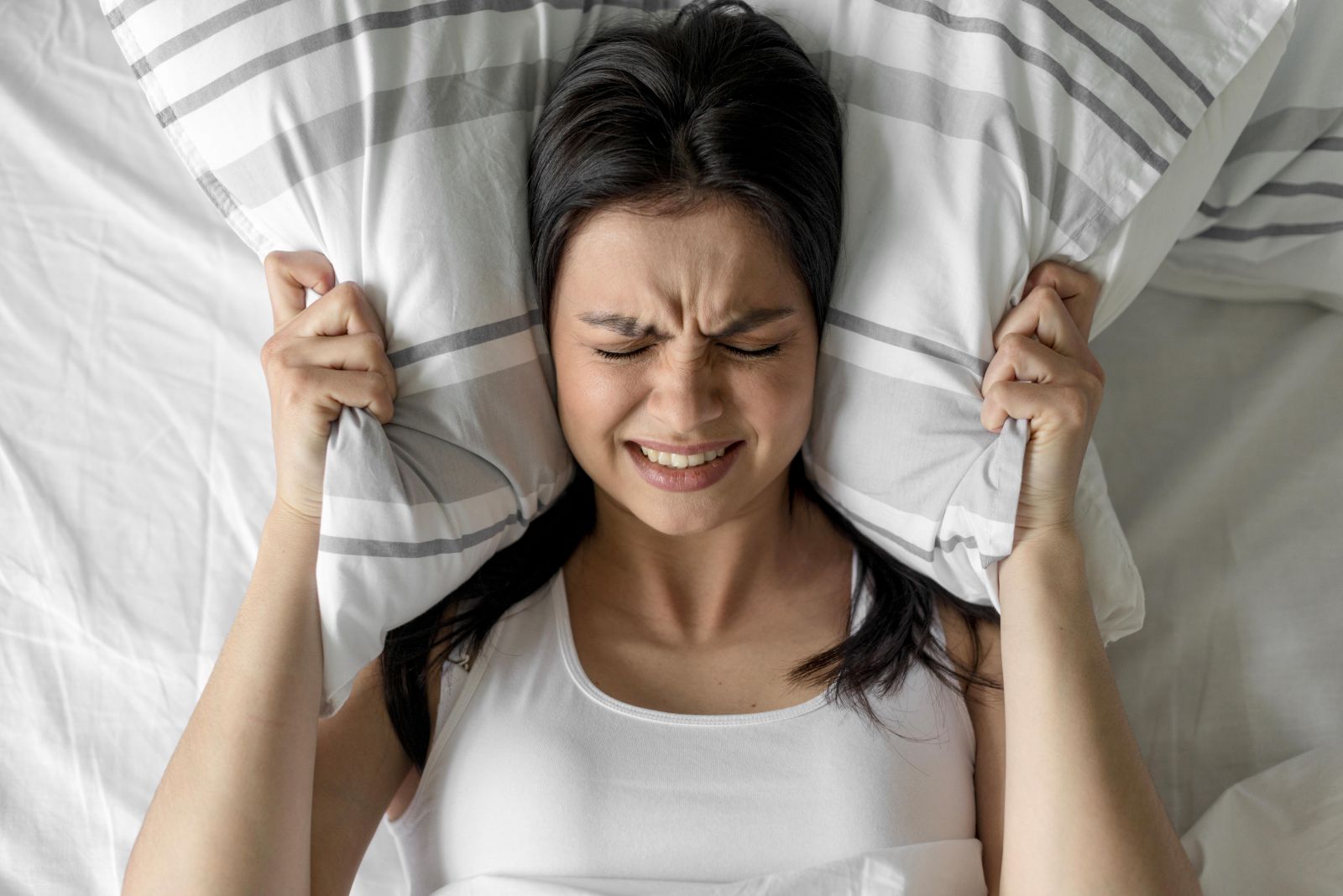
People will scream, sleepwalk, kick, hit, and find it difficult to wake up when experiencing night terrors
Causes
Factors that can cause night terrors are fever, stress, lack of sleep, noise, light, a full bladder, sleeping in an unfamiliar place, headaches, or drug and alcohol abuse. Apart from that, night terrors are also associated with breathing problems during sleep (sleep apnea, head injuries, migraines, and restless leg syndrome), sleepwalking, thalamus dysfunction, and genetics.
Treatment
Generally, night terrors do not need to be treated. However, if it occurs in children, better supervision is needed. Help your child by holding his hand and talking calmly to help shorten the time of night terrors. If treatment is necessary, it is necessary to address the underlying cause, change sleeping habits or environment, and take medication.
Tips for Preventing Night Terrors at Home
- Create a comfortable sleeping environment, such as closing bedroom windows and removing fragile and dangerous objects that could cause someone to suffer injury unknowingly.
- Identify the causes of stress and find ways to overcome them. If this happens to your child, invite them to discuss what bothers them.
- Try going to bed earlier, doing calming activities, and reducing screen time.
- Note and recognize the pattern by keeping a diary (the frequency and time the night terrors start). When the time has arrived, try to wake the child or turn on the alarm for 15 minutes. This condition may occur. Wake up for about 5 minutes, then go back to sleep.

Create a comfortable and safe sleeping environment
So, night terrors are episodes that cause a person to experience fear while sleeping. This condition differs from a nightmare because a person usually won't wake up. Night terrors are not a condition to worry about, but if their frequency increases or disrupts daily activities, consult a doctor. Have you ever experienced it, ladies?