Restless leg syndrome (RLS) or Willis-Ekbom disease is a neurological sleep disorder that causes leg discomfort and a strong urge to move. Most people who experience this have strong urges, even when relaxing, trying to sleep, or sitting for too long.
This sensation may occur simultaneously with other sensations, often described as pulling, crawling, tingling, throbbing, itching, pain, pins and needles, or burning. Anyone can develop RLS, especially in middle age, with the risk twice as high in women than men.
Symptoms
The most noticeable sign of restless leg syndrome is an intense urge to move your legs, especially when sitting still or lying in bed. Symptoms may not occur every night and come and go at a mild level, but if they are severe, they can impact daily activities. Symptoms that may occur include:
- Pain in legs (or arms).
- Strong urge to move the leg (or arm).
- Difficulty falling asleep because you are often kept awake by the urge to move your legs to relieve discomfort
- Drowsiness during the day due to reduced sleep time and difficulty falling asleep
- Behavioral and work performance problems due to sleep disorders, such as irritability, concentration problems, depression, and moodiness
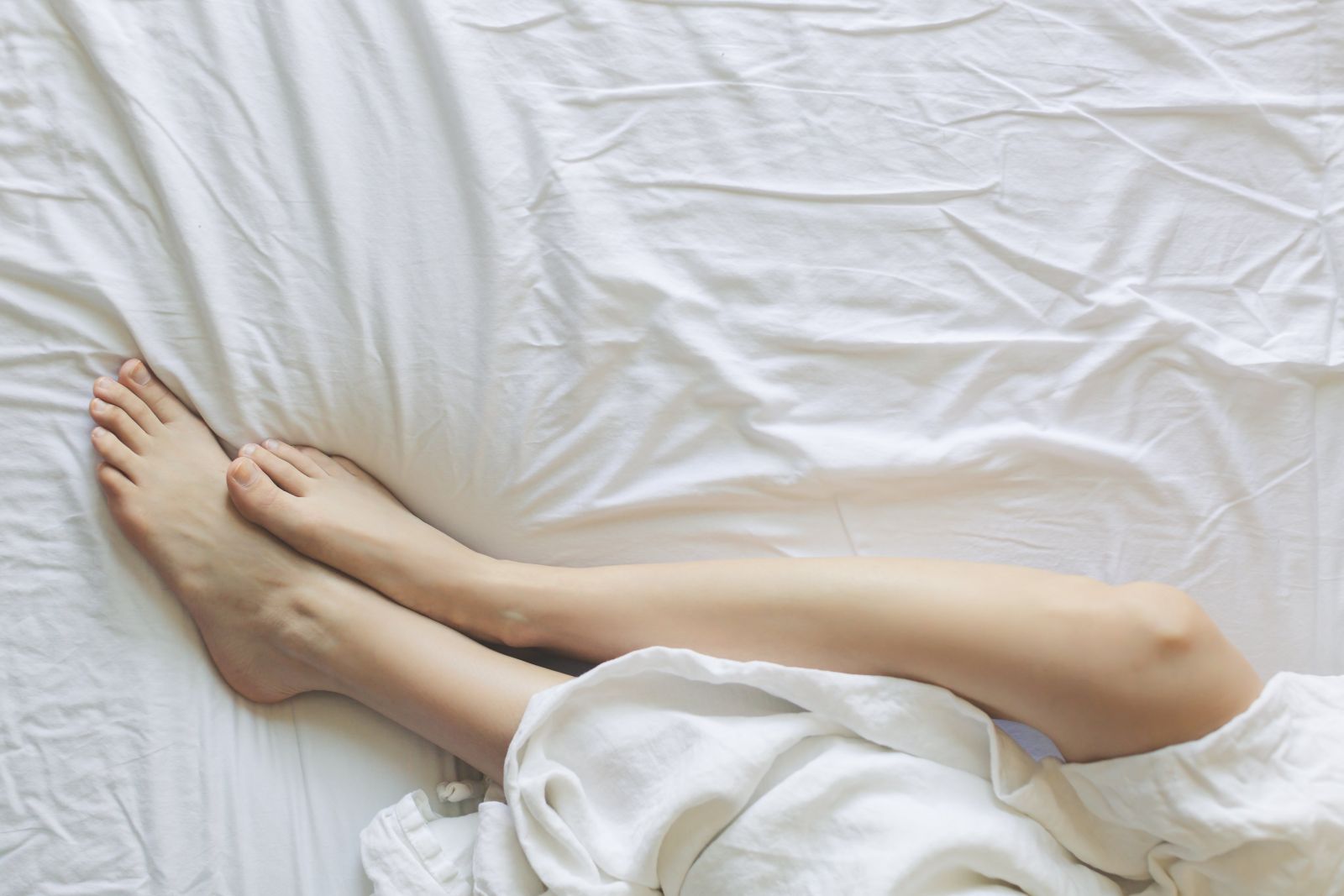
RLS can interfere with daily activities, especially if you don't get enough sleep
Causes
Until now, the exact cause of restless leg syndrome is not known. However, the condition is often linked to genetics, with parents passing the disease on to their children and symptoms appearing before age 40. Besides genetics, other factors are known to be related, such as:
- Low iron levels in the body
- Hypothyroidism
- Depression
- Fibromyalgia
- Parkinson's disease
- Rheumatoid arthritis
- Pregnancy
- Other health problems (diabetes, kidneys, neuropathy)
- Consuming medications (antidepressants, nausea, allergy medications), caffeine and alcohol
Diagnosis
There is no specific research aimed at diagnosing restless leg syndrome. Generally, diagnosis is made based on symptoms and followed by family history, medical history, physical examination, neurological examination, and blood tests to rule out the possibility of other health problems associated with RLS. 5 minimum criteria must be met, namely:
- Having a strong urge to move your legs (or arms) along with pulling, crawling, crawling, itching, pain, or burning sensations
- The symptoms worsen when you relax or rest.
- Symptoms are reduced when moving, such as stretching, walking, or using muscles.
- The symptoms worsen or occur only in the afternoon or evening.
- Not caused by other medical or behavioral problems
Treatment
Restless leg syndrome is a lifelong disease, and there is no cure, but medications can be used to control the symptoms. Doctors will generally offer several options, such as dopamine drugs (control the urge to move), anticonvulsants (block nerve signals), benzodiazepines (relax the muscles), and opioids (reduce pain and strange sensations).
Home treatment for restless legs syndrome
Although not as effective as medical treatment, self-care at home can help reduce RLS symptoms. Remember that not everyone may experience the same effect, so it is sometimes necessary to try it first to determine which is most suitable. Here are ways you can do this.
- Exercise regularly, such as walking or cycling.
- Improve your habits before bed, for example, by reducing screen time not reading or watching TV in bed.
- Set the same bedtime every day.
- Reduce caffeine consumption (coffee, tea, chocolate), alcohol and nicotine.
- Massage or stretch your leg muscles at night
- Soak in warm water before going to bed.
- Use a heating pad or ice pack if you experience symptoms.
- Reduce stress as much as possible, for example, with yoga or meditation.
- Iron supplementation is based on the recommendations of doctors and nutritionists if the underlying cause is an iron deficiency.
.jpg)
Reduce caffeine and stress, and massage your feet before bed to reduce symptoms.
So, restless leg syndrome is when a person has a strong urge to move their legs along with the feeling of crawling, pulling, or crawling. The symptoms tend to worsen at night and only resolve when the muscles are moved. That is why this condition affects sleep quality. Do you have experienced this, ladies? Let's share it here!