Ladies, have you ever experienced a brain freeze? You know, that sudden intense headache that hits when you indulge in ice cream or icy treats? You're in the right place if you're wondering why this happens and whether it's a cause for concern. Let's dive into the details in this Fitie article.
Brain freeze, also known as ice cream headache or cold-induced headache, is a sharp pain that briefly hits the front of your head. The scientific name for it is sphenopalatine ganglioneuralgia. This phenomenon occurs when we come into contact with something icy, like ice cream, ice cubes, frozen drinks, popsicles, or even cold air.
This brain freeze comes on suddenly, lasting anywhere from a few seconds to around 2 minutes. The good news is that it usually disappears without needing medication or rest and typically doesn't come with any other symptoms. While anyone can experience a brain freeze, it's more common in children who are often too enthusiastic about their icy treats.
The Science Behind It
]When your mouth or throat gets a sudden blast of cold, it triggers changes in blood flow within your brain. In response to the rapid drop in temperature, your blood vessels tighten up to help keep your body warm. After this constriction eases off, the blood vessels open up again.
The expansion of these blood vessels sends pain signals to your brain through the trigeminal nerve, which stretches to the center of your face and forehead. So, even though the sensation starts in your mouth, what you're feeling as pain is actually in your forehead and the middle of your face. Starting to make sense, Ladies?
 Quick shifts in blood vessel size cause brain freeze
Managing Brain Freeze
Dealing with brain freeze is relatively straightforward. Step away from the icy foods or drinks, and avoid chilly environments. Instead, opt for warm or room-temperature beverages. You can also try pressing your tongue or thumb against the roof of your mouth to transfer some warmth.
Remember, the trick to sidestepping an ice cream headache is preventing cold exposure to your mouth, throat, or head. Try consuming these items slowly or holding them in your mouth for a bit before swallowing. Now, when it comes to cold air, you're not consuming it, so covering your mouth with a scarf or a face mask can help.
Foods and Drinks to Watch Out For
- Ice cream
- Frozen yogurt
- Cold water
- Slushies
- Popsicles
- Ice cubes
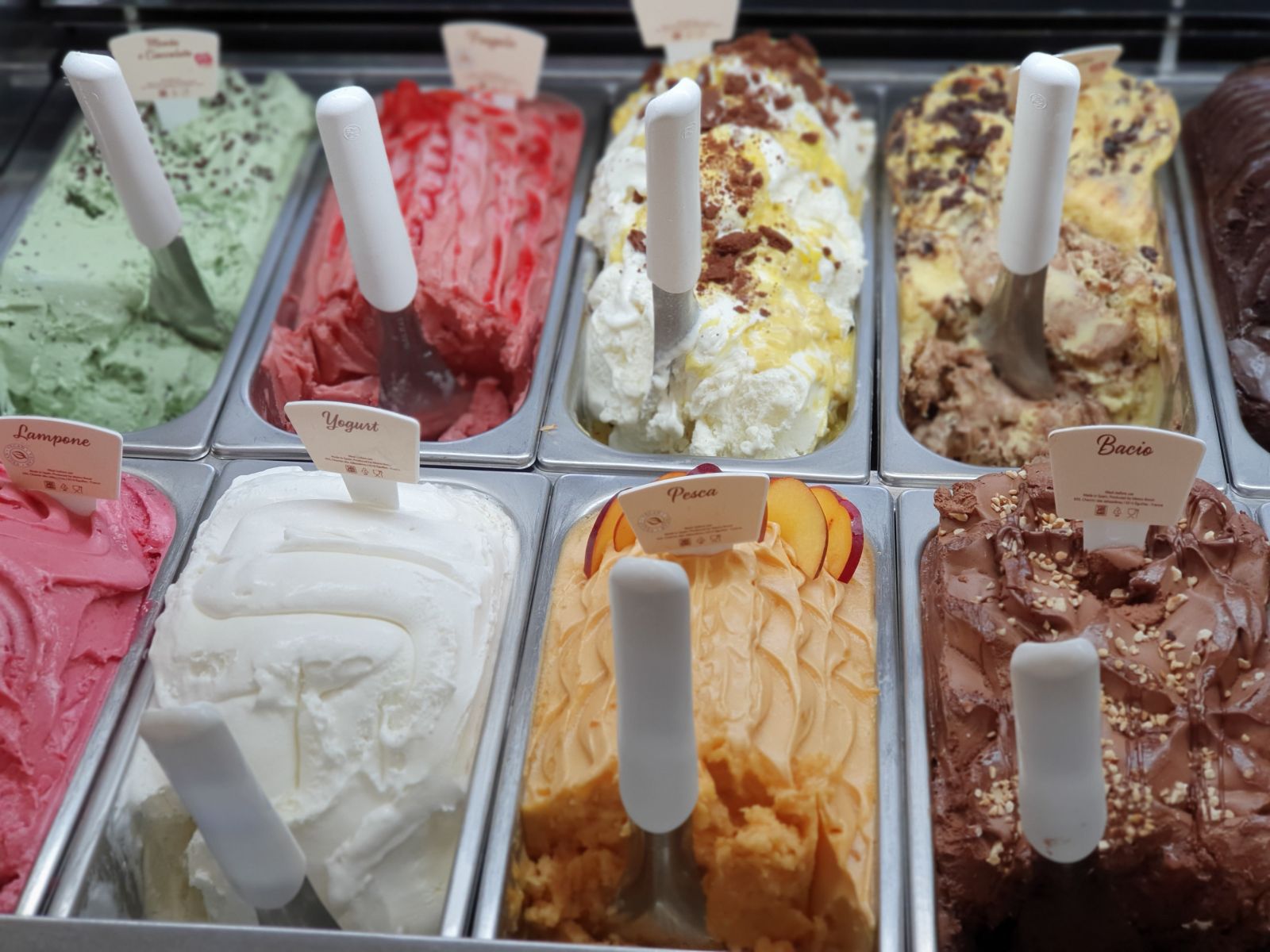
No Need to Panic
There's no need to rush to the doctor if you experience brain freeze. However, it might be worth checking out if it happens frequently. People with a history of migraines are more prone to brain freeze. Interestingly, the nerves responsible for ice cream headaches are also involved in more severe headache conditions, such as cluster headaches.
So, don't fret over brain freeze. The discomfort fades within seconds or a couple of minutes at most. If you plan to enjoy something cold, take small bites, chew slowly, or let it linger in your mouth briefly to prevent shocking your brain and blood vessels. Have you ever had a memorable brain freeze encounter, Ladies? Feel free to share your stories in the comments section!