1. Self-Care
One of the symptoms of monkeypox is a varying amount of fluid-filled rashes. Therefore, careful attention is required for proper care, aiming to prevent its spread to others and the surrounding environment, expedite the recovery process, and avoid bacterial infections.
Here are several steps to follow:
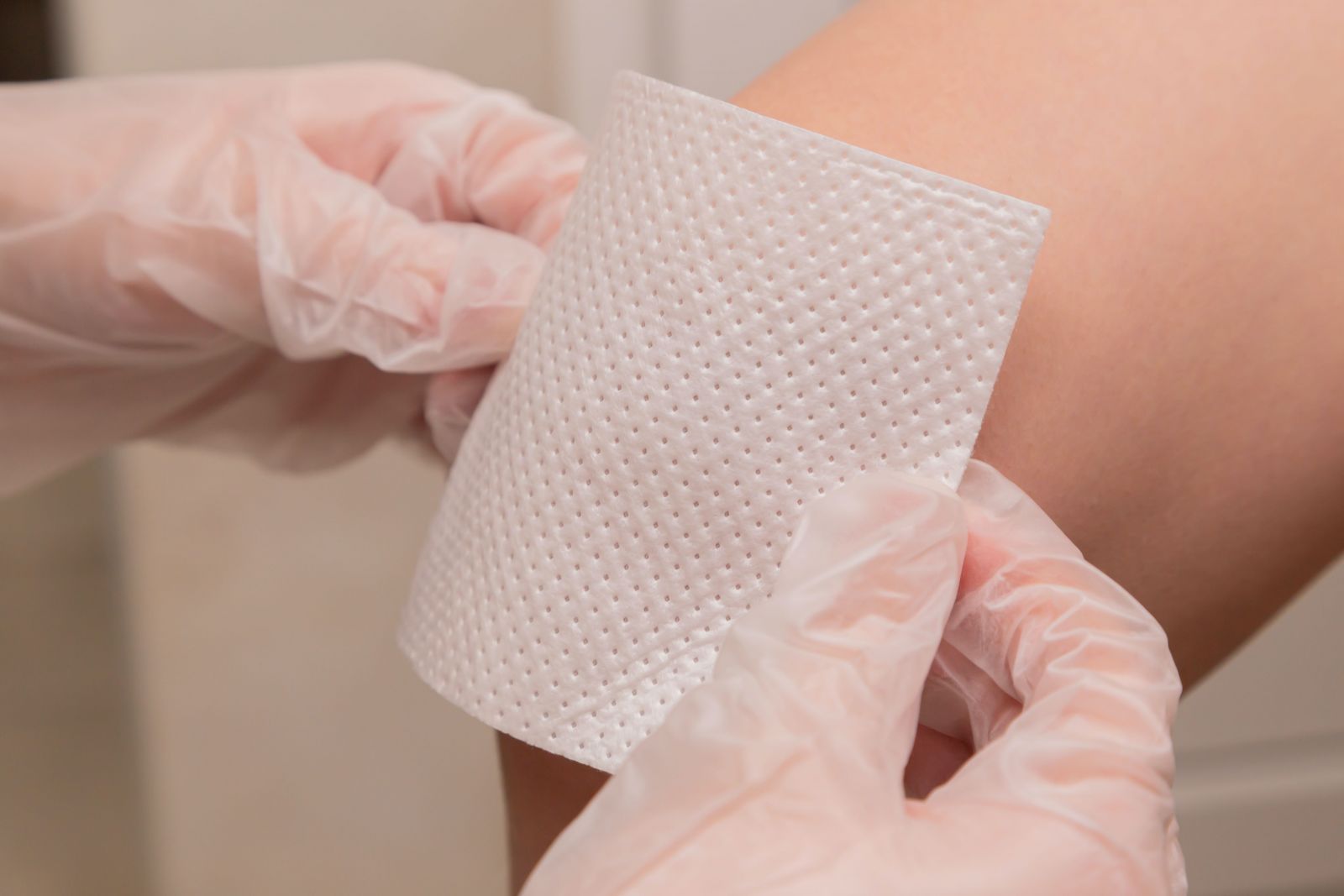
- Cover the rash with gauze or a bandage, and avoid squeezing, puncturing, breaking, or scratching the lesions (keeping nails short is advisable).
- Keep lesions clean and dry during bathing or soaking, and do not share towels or clothes with others.
- Regularly wash hands with soap and running water or an alcohol-based hand sanitizer, being cautious around the rash to avoid irritation.
- Use disposable gloves if there are rashes on the hands when touching surfaces or objects used by others.
- Wear long sleeves and pants to maximize rash coverage.
- Rinse the mouth with saltwater or a doctor-prescribed mouthwash if there are mouth lesions.
- Avoid shaving the rash area and soak in warm water to soothe genital lesions.
- Always wear a mask when in contact with others until all rashes and symptoms disappear.
- Increase rest and consume a balanced, nutritious diet.
All monkeypox lesions are considered capable of transmitting infection until scabs fall off and a new skin layer appears. Thus, the general advice is to maximize the coverage of rashes or lesions to prevent contact with anything. After lesions have completely healed, the use of sun protection is highly recommended to prevent hyperpigmentation or hypopigmentation on the lesions.
2. Managing Other Symptoms
Another symptom that may arise when infected with monkeypox is pain. Therefore, suitable medications to alleviate symptoms include ibuprofen (Advil, Motrin) and acetaminophen (Tylenol). If the pain is severe, consult a doctor for stronger pain relief medications. If symptoms cannot be self-managed at home, seek medical attention promptly.
3. Contacting Close Contacts
Similar to COVID-19, it is crucial to promptly inform individuals who have had close contact once realizing that oneself is infected with monkeypox. This is a way to protect others. Close contacts include those who have:
Inform close contacts so they can take preventive measures as early as possible.
- Engaged in sexual activities (oral, anal, vaginal).
- Had direct contact with rashes.
- Hugged, kissed, or had skin-to-skin contact.
- Shared eating utensils, clothing, blankets, or personal items.
The scope of close contacts includes family members, roommates, gym buddies, sports partners, houseguests, attendees of a meeting, service providers, or those recently encountered (restaurant servers, dentists, housekeeping staff, salon workers, childcare providers, and others).
In summary, monkeypox can be self-managed at home by taking good care of oneself for all experienced symptoms. Ensure rashes are well-covered to prevent transmission to other objects. Remember that until scabs fall off and a new skin layer appears, monkeypox is not considered healed. In addition to self-care, it is crucial to inform close contacts.
Let's Downbload newfemme for other informtion!