Risk Categories
Close contacts with monkeypox patients are divided into two risk levels: low and high, determined by their exposure level to the infection. Individuals in these categories should monitor themselves and report to healthcare facilities if they experience symptoms.
1. High Risk
High-risk close contacts are individuals who have had sexual contact or lived in the same household as the infected person. This group is advised not to have close contact with others, including not being allowed to donate blood or organs for 21 days after the last exposure.
During this period, one should avoid vulnerable groups, including those with weakened immune systems, pregnant women, the elderly, and young children (toddlers). Activities such as work and school are generally allowed, but if it is in an environment where vulnerable individuals are present, consulting a doctor for further adjustments is necessary.
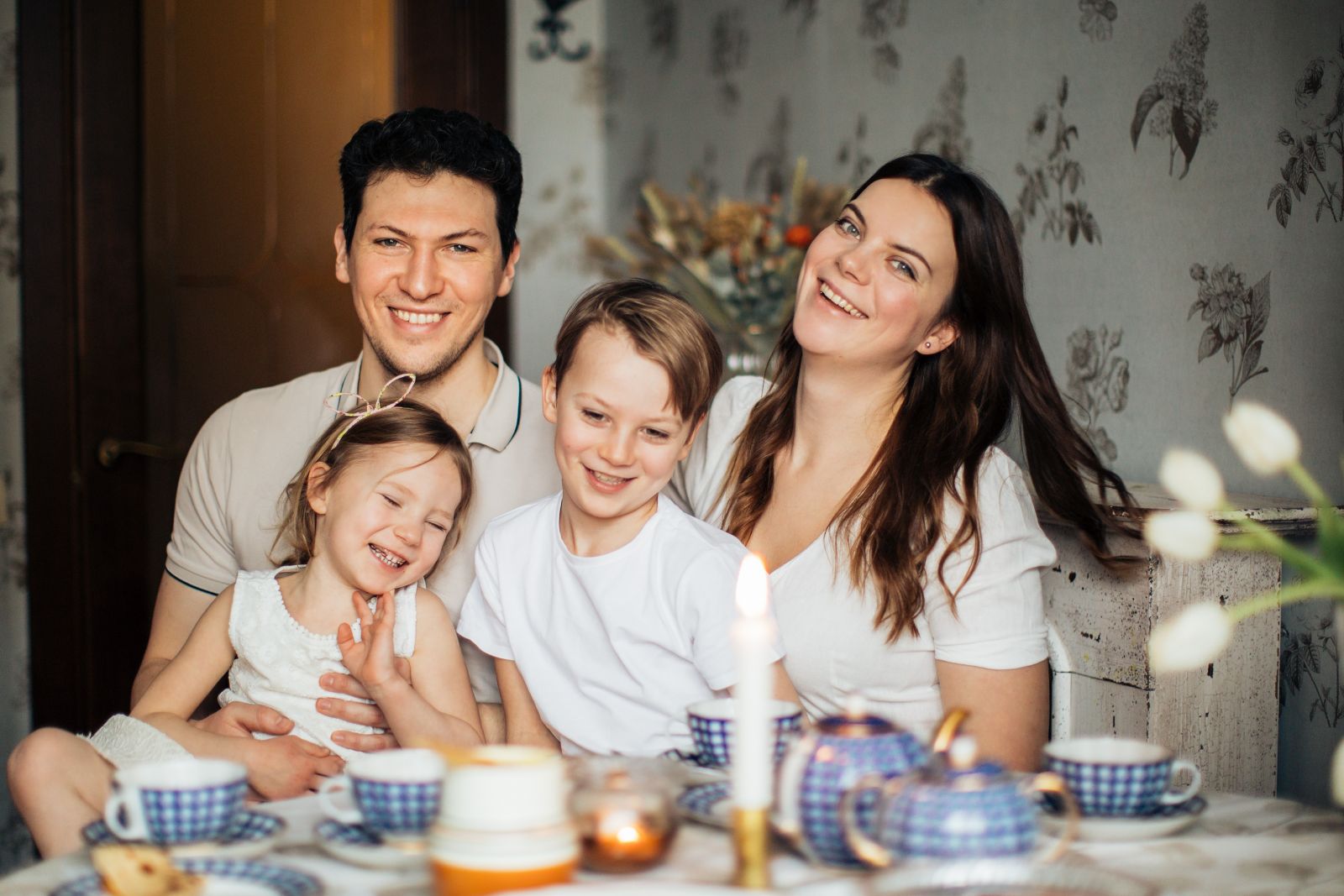
Exposure from family or sexual partners categorizes someone as a high-risk close contact
2. Low Risk
If classified as a low-risk close contact, activities can proceed as usual. Importantly, symptoms should still be monitored, including daily body temperature measurements. Similar to high-risk individuals, those with low risk are also not allowed to donate blood or organs for 21 days after the last exposure. If symptoms arise, contact a doctor promptly.
Self-Care Strategies
The recommendation for individuals classified as close contacts with monkeypox is to practice self-care at home. Here are three steps to follow:
1. Monitor Symptoms for 21 Days After the Last Exposure
Date The main symptom of monkeypox is the appearance of a rash, which can occur anywhere, including the genitals, anus, hands, feet, chest, face, or mouth. The rash initially looks like itchy pimples, then forms scabs and peels off until new skin appears. Some may only experience a rash, while others may have additional symptoms like:
- Fever
- Fatigue
- Headache
- Backache
- Muscle pain
- Swollen lymph nodes
- Respiratory symptoms (blocked nose or cough)
2. Vaccination for Monkeypox Prevention
To prevent the severity of the disease, a close contact can receive the monkeypox vaccination called Jynneos. The individual needs to receive this vaccine in two doses. After the first dose, there is a waiting period of 4 weeks before getting the second dose. The best protection is achieved within a maximum of 2 weeks after the second dose.
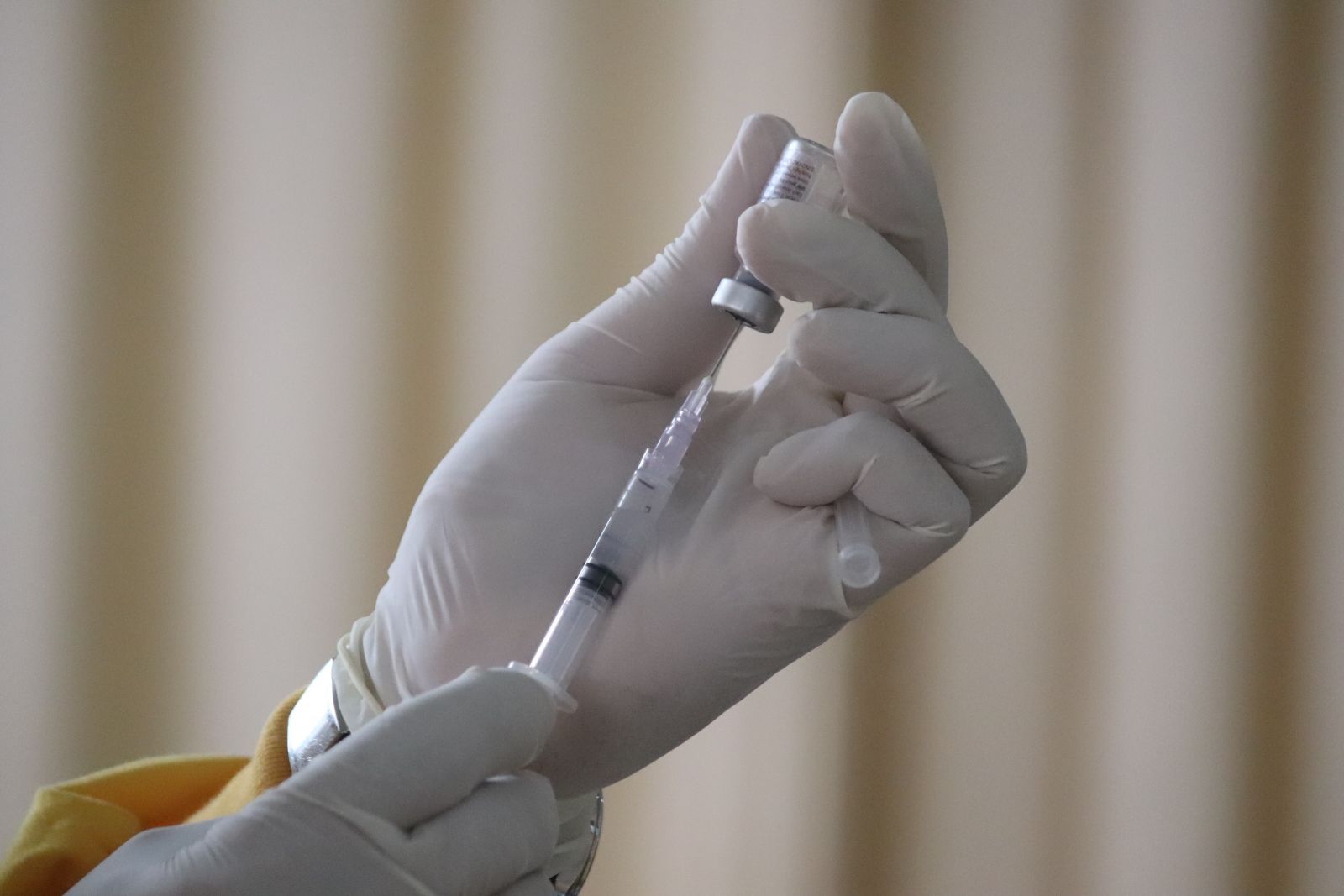
Two doses of the vaccine are needed for maximum protection against monkeypox as a close contact
3. Contact a Doctor if Rash or Other Symptoms Occur
If a rash or other monkeypox symptoms appear, promptly visit a healthcare facility. Until meeting with a doctor, avoid contact with others, do not share personal items, cover the rash with bandages, clothing, or gloves, refrain from scratching, and wear a mask. Healthcare providers will decide whether monkeypox testing is necessary or not.
So, if you fall into the close contact group, the strategy is to monitor the progression of the disease. In the 21 days after the last exposure date, actively monitor symptoms and get vaccinated if possible. If a rash or other symptoms appear, promptly visit the nearest healthcare provider.
Let's download the Fitie app now to get interesting tips and information!