Gout is an inflammatory condition that occurs when uric acid crystals build up in one or more (but rarely more) joints. However, it can also affect other areas of the body, including the big toe (most common), ankle, pinky, knee and fingers. Therefore, the condition can sometimes interfere with daily activities, especially if it causes difficulty in walking.
Symptoms
Actually, gout is unpredictable as symptoms can appear suddenly and last for a long time (one to two weeks, even more), and can recur several years later. Gout will show symptoms that are specific to the affected area, especially at night, such as:
-
Sudden onset of pain
-
Swelling
-
Redness
-
Burning or warmth
-
Hypersensitiv
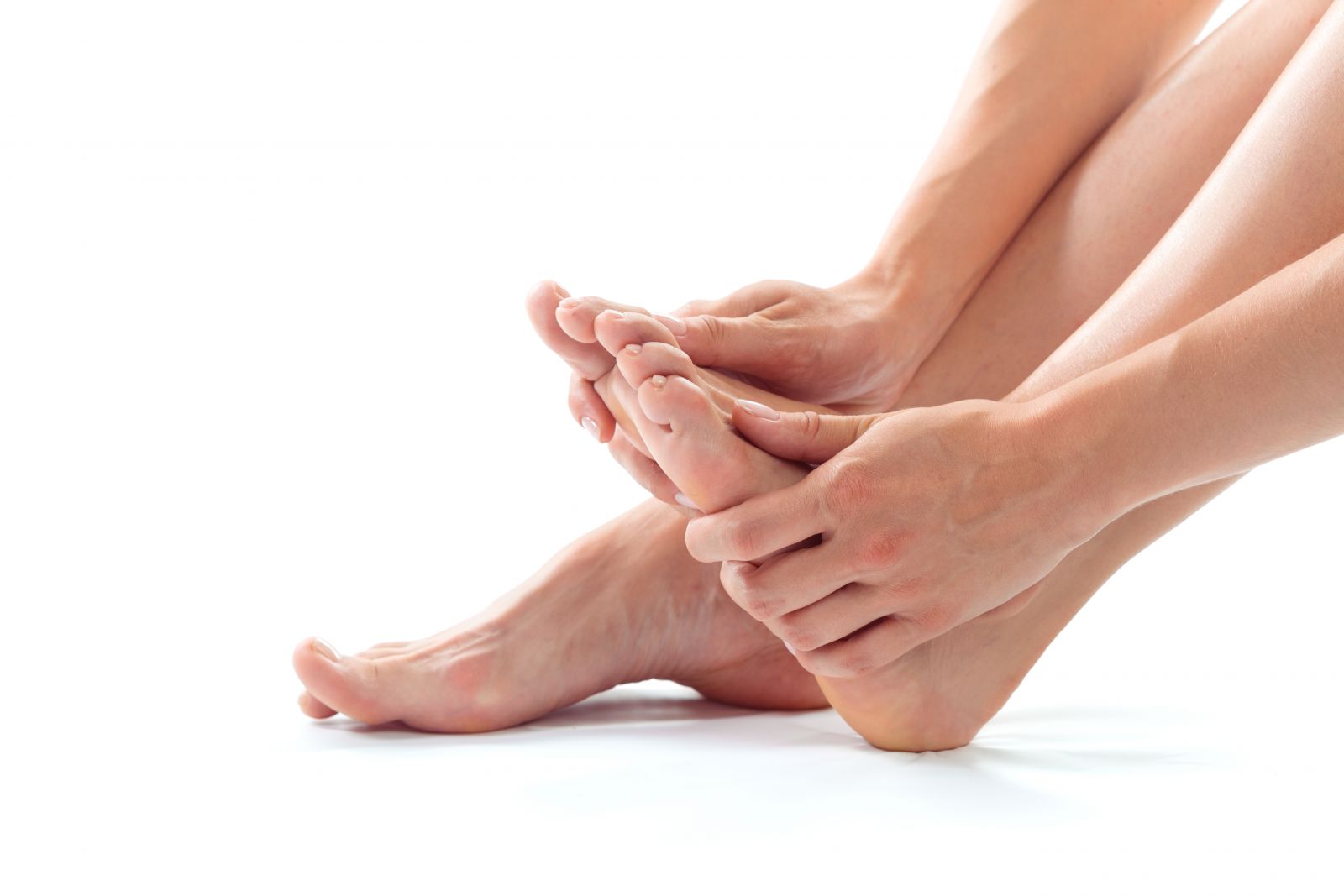
Symptoms of gout include pain, swelling, redness, and heat in the affected area.
Causes
As mentioned a little earlier, gout is caused by too much uric acid accumulating in the body, or the term is hyperuricemia. So what exactly is uric acid? Uric acid is a by-product formed from the metabolism of purines. Well, this purine is naturally present in the body, but not infrequently we can also get it from food.
So how does it process? If the levels in the body are higher, uric acid crystals will form, like small needles. They will flow in the blood and accumulate in the body itself, fluids, and tissues. As a result, the area becomes irritated, causing the symptoms to appear. Some of the risk factors that put you at a higher risk of developing gout are:
-
Habitual consumption of high-purine foods (offal, shellfish, alcohol)
-
Consuming excessive alcohol or foods and drinks containing fructose
-
Having a condition of hypertension, diabetes, congestive heart failure, psoriasis, or obesity
-
Men (especially over 40 years old)
-
Take diuretic medications
-
Have a relative with the same condition
Diagnosis
Gout can be diagnosed if the condition is ongoing for the first time. It will usually begin with a physical examination, followed by an evaluation of symptoms, and a review of personal history. To further confirm, the fluid inside the affected joint may be aspirated to look for uric acid crystals.
This inflammatory joint disease should not be underestimated, because if left untreated, it can develop into a chronic disease, namely gouty arthritis. This is a more severe disease as it causes the joint to be permanently damaged and swollen. If this is the case, surgery is necessary. Therefore, immediately consult a doctor if you experience the symptoms mentioned, Ladies.
Treatment
Gout can be treated by taking non-steroidal anti-inflammatory drugs (NSAIDs), such as ibuprofen, colchicine, or corticosteroids. When the condition is recurring, the symptoms can be treated by compressing the affected area, for a while. However, this condition needs the best long-term treatment, which is done by:
-
Changing your diet by avoiding foods high in purines and alcohol.
-
Increasing consumption of whole grains, fruits, vegetables, plant-based proteins, and avoiding bad fats
-
Being physically active
-
Maintaining ideal body weight

Avoid triggers that increase blood uric acid, such as foods or drinks containing high purines, alcohol, and increase physical activity.
So, gout occurs due to the buildup of uric acid crystals, which often occurs in the joints. Symptoms vary, ranging from pain, swelling, redness, heat, and extreme sensitivity. This self-inflammatory disease needs to be checked by a doctor, because if not treated properly, the condition can become severe and permanently damage itself.
Let's download the Fitie application now to get tips and other interesting information!