Pneumonia is a lung infection, in which there is pus and other fluids in the small air sacs (alveoli). This disease can be caused by bacteria, viruses, or fungi. When a child is infected, they will experience difficulty breathing because their lungs are filled with fluid. Those with weakened immune systems (such as HIV) or immature immune systems (newborn babies) are more vulnerable to it.
Symptoms of Pneumonia in Children
Pneumonia is a lung disease, thus the symptoms that will appear include coughing, difficulty breathing, and fever. In addition to difficulty breathing, children usually also have rapid breathing, wheezing, and chest pain. What distinguishes its symptoms from healthy individuals is that when taking a breath, the lower chest will pull inward, whereas it should expand.
Children suffering from pneumonia often become less active than usual. In older children, their appetite tends to decrease, while in infants, their eating patterns tend to deteriorate. However, during these periods, they require sufficient nutritional intake to ensure their growth and development are optimal.
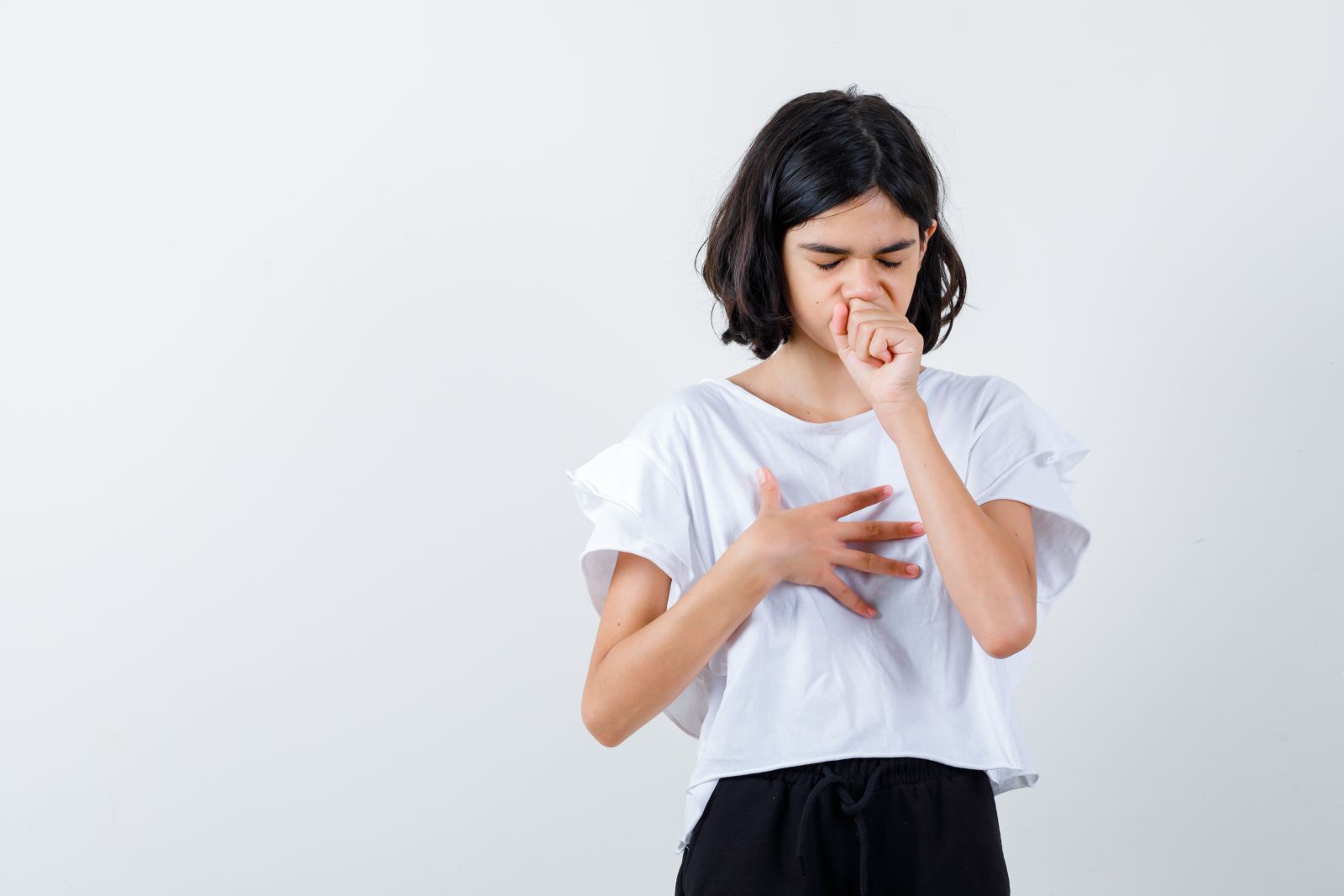
The symptoms of childhood pneumonia include cough, difficulty breathing, fever, and chest pain.
Diagnosis
Pneumonia is an infectious disease and its transmission occurs through the air, primarily from particles released when someone sneezes or coughs. Apart from airborne transmission, pneumonia can also spread through blood during childbirth or via contaminated surfaces. The diagnosis of pneumonia in children is as follows:
- Physical examination (appearance, breathing pattern, vital signs, and lung sounds)
-
Chest X-ray and blood tests (if necessary)
Treatment
Pneumonia can be addressed with antibiotics if the cause is bacterial, but if the cause is viral, the treatment will differ depending on the specific virus involved. The most crucial treatment to save the lives of children or infants with severe pneumonia is oxygen. They require sufficient oxygen to enter the bloodstream.
Therefore, some of them may need to be hospitalized, especially if accompanied by symptoms such as high fever, continuous respiratory problems, vomiting preventing medication intake, or experiencing infections that have spread into the bloodstream. In more serious cases, children may need to be admitted to the intensive care unit or ICU.
Prevention
Pneumonia caused by bacteria can be prevented by getting vaccinated, namely the Pneumococcal vaccine (PVC). In addition, other vaccines that can also protect children from pneumonia are the Diphtheria-Tetanus-Pertussis vaccine, measles vaccine, Haemophilus Influenza B (Hib) vaccine, and regular flu vaccine. Therefore, make sure not to miss these vaccinations for your children, Ladies.
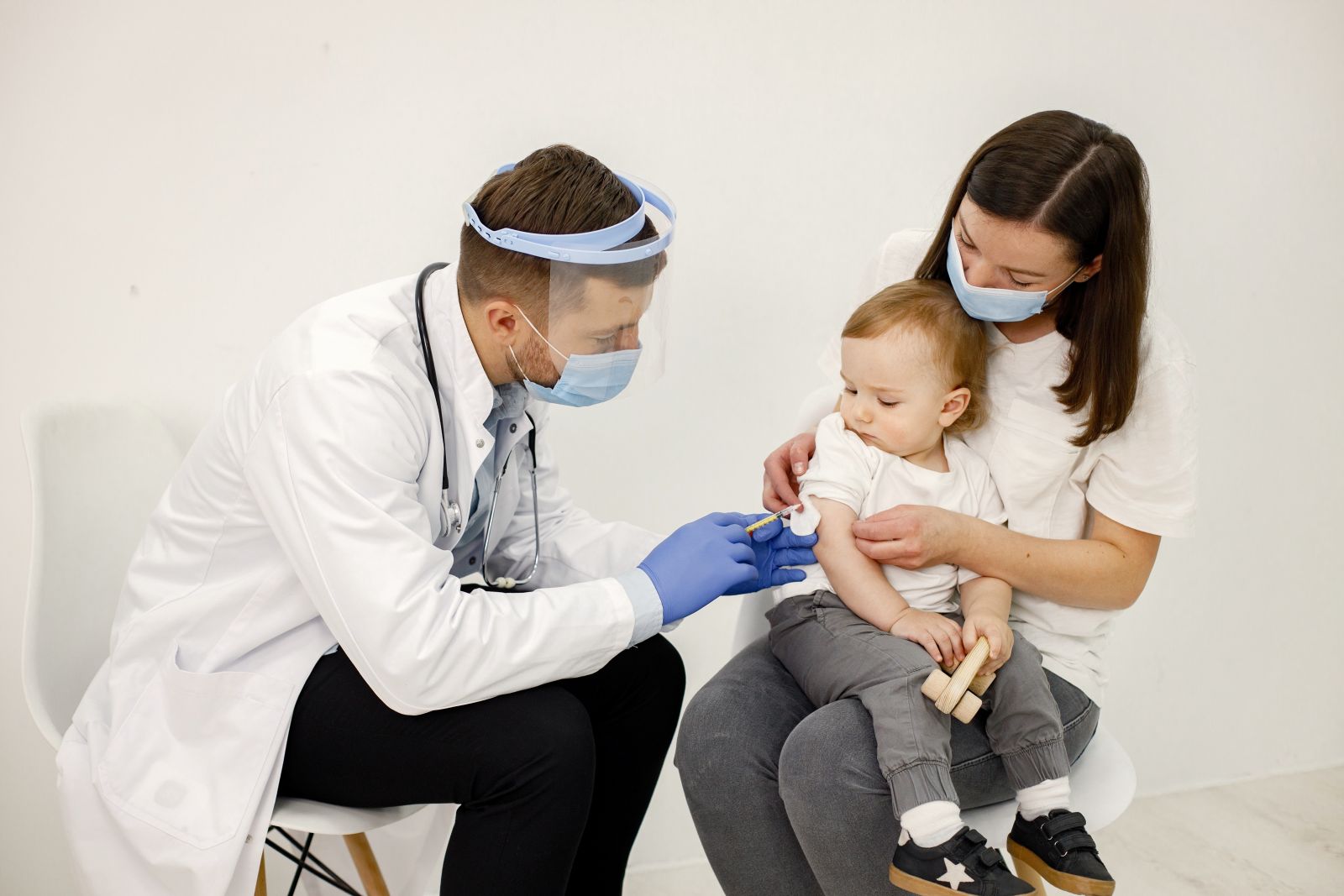
Jangan lewatkan pemberian vaksin untuk cegah pneumonia anak
The Role of Parents
Bacterial pneumonia can last for 1-2 weeks, while viral pneumonia takes longer, around 4-6 weeks. Parents should ensure their child gets enough rest and fluid intake, and maintain personal hygiene. Administer medication as prescribed by the doctor, and if they need to be hospitalized, accompany them.
Prognosis
If childhood pneumonia is caused by a virus, the prognosis is usually quite good. The disease tends to recover and rarely leads to long-term residual symptoms. However, if childhood pneumonia is caused by bacteria, such as staphylococcal or varicella, the condition may be worse. Furthermore, the prognosis is even worse if the child has underlying conditions, such as:
-
Tuberculosis
- Congenital heart disease
-
Chronic lung disease in premature infants
So, broadly speaking, pneumonia in children and adults does not differ much, with symptoms such as cough, difficulty breathing, and fever. However, children and infants are more vulnerable to infection, so the role of parents is to take preventive measures well or accompany the child while they are sick. Are there any ladies who have experience accompanying a child with pneumonia? Please do share!
Hey, grab the Fitie app now for cool tips and other fun stuff!