1. It's Better to Eat Fruit Before Meals to Maintain Its Nutritional Content
This first statement is the most popular fruit-eating myth. There are actually 2 camps, the eat fruit before meals team and the eat fruit after meals team. In fact, eating fruit before or after a meal is equally good. Our digestive system has been designed to be as efficient as possible, so that it can absorb nutrients from food properly.
When eating, the stomach expels a small amount of food at a time, giving the gut a chance to absorb as many nutrients as possible. In addition, the small intestine is quite long (6 meters), which means it provides a greater opportunity for the body to absorb nutrients. So make no mistake, Ladies.
Well, if you're aiming to lose weight, then fruit can be consumed with or just before meals. This is because its fiber content can keep you full longer and make you eat less. In this way, calorie intake is reduced, resulting in weight loss.
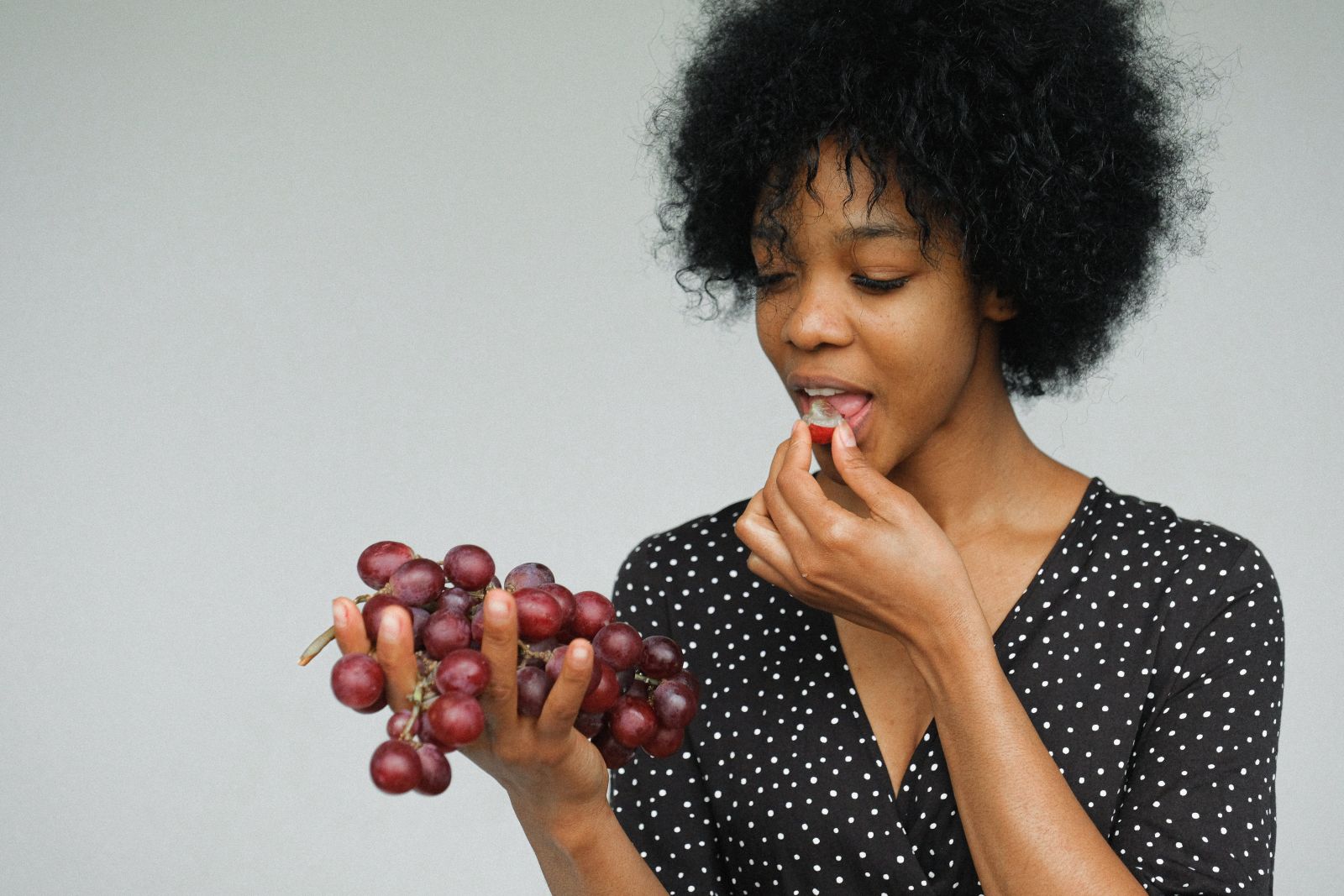
Eating fruit before or after meals is equally good
2. Eat Fruit on an Empty Stomach
There is a belief that if fruit is eaten during a meal, it will slow down the digestion process and cause food to be held in the stomach, resulting in fermentation and rotting. In addition, there is also the assumption that the retained food then causes indigestion or stomach pain.
The correct explanation is that the fiber in fruit does slow down the emptying of the stomach (slower time for food to reach the small intestine), but it does not cause food to be retained too deeply in the stomach (after all, the stomach is specifically designed to prevent the growth of spoilage bacteria). The positive effect of slowing down gastric emptying is that we are fuller for longer.
3. Diabetics Can't Eat Fruit
Quite a few people recommend diabetics not to eat fruits. Simply put, because fruit is sweet, which is automatically considered to contain high sugar. As a result, many people are afraid to eat fruit. This assumption is classified as incorrect, because diabetics can still eat fruits, with a few conditions here.
First, consume fruits with a low to moderate glycemic index, so that extreme spikes in blood sugar levels can be avoided. Fruits with a low glycemic index are apples, pears, grapes, oranges, mangoes, and bananas, while moderate fruits are papaya, pineapple, and melon. Well, there are still many choices, Ladies?

There are many choices of fruits that can be consumed by diabetics, such as apples
4. The Best Time to Eat Fruit is in the Morning
Fruit is best eaten in the morning. Some say the purpose is to "wake up" the digestive system as it raises blood sugar levels. In fact, there is no logic behind this, nor is there any evidence to support this statement. All carbohydrate-containing foods, including fruit, temporarily raise blood sugar.
There is also no need to specifically "wake up" the digestive system as it is designed to be ready to work from the moment food enters the mouth, no matter what time of day it is. So, whether you eat it in the morning, afternoon, evening or night, it's all the same. They are equally good for the body.
So, there are many myths about eating fruit that are still circulating in society. In conclusion, eating fruit before or after meals and at any time is equally good, fruit can be eaten on an empty stomach or not, and diabetics are still very much allowed to consume fruit.
Let's download the Fitie application now to get tips and other interesting information!