People with HIV/AIDS become more vulnerable to various types of infections. The HIV virus damages the immune system, making individuals susceptible to opportunistic infections, such as foodborne illnesses caused by bacteria or pathogens.
Due to the weakened immune system, if a person with HIV/AIDS experiences a foodborne illness, the condition can persist longer, sometimes requiring hospitalization or even resulting in death. Therefore, they need to pay close attention to the handling, preparation, and consumption of food, whether self-produced at home or purchased outside.
.jpg)
Individuals with HIV/AIDS must implement food safety measures to avoid foodborne illnesses.
Microorganisms Causing Foodborne Illness
When suffering from a foodborne illness, common symptoms include fever, headache, muscle pain, diarrhea, nausea, vomiting, abdominal pain, and, in severe cases, death. The main pathogens affecting food safety and causing foodborne illnesses include:
- Campylobacter jejuni: found in contaminated water, unpasteurized milk, and undercooked or raw meat, poultry, and shellfish.
- Cryptosporidium: found in contaminated water (swimming pools or lakes) and undercooked food.
- Escherichia coli: found in undercooked meat, unpasteurized milk, and juice, as well as fresh produce contaminated by human contact.
- Listeria monocytogenes: found in hot dogs, cold cuts, sausages, deli meats, soft cheeses, unpasteurized milk, smoked seafood, and salads.
- Noroviruses: found in shellfish, food contaminated with human feces, and ready-to-eat food touched by contaminated workers.
- Salmonella: found in eggs, raw or undercooked meat and poultry, unpasteurized milk and juice, cheese, seafood, and fresh produce.
Food Safety at Home
1. Ensure Food Ingredients are Cooked and Clean
The primary step in food safety is ensuring animal products such as meat, poultry, fish, and seafood are cooked to the minimum internal temperature. This can be done by measuring the temperature using a food thermometer. Additionally, previously frozen or refrigerated foods should be cooked again. Fruits or vegetables should be thoroughly washed before consumption.
2. Ensure Proper Handling
Pathogenic bacteria in food cannot be seen, smelled, or tasted. Therefore, food preparation and handling processes must be carried out correctly. The easy way to apply this is by remembering the four basic principles: clean, separate, cook, and chill.
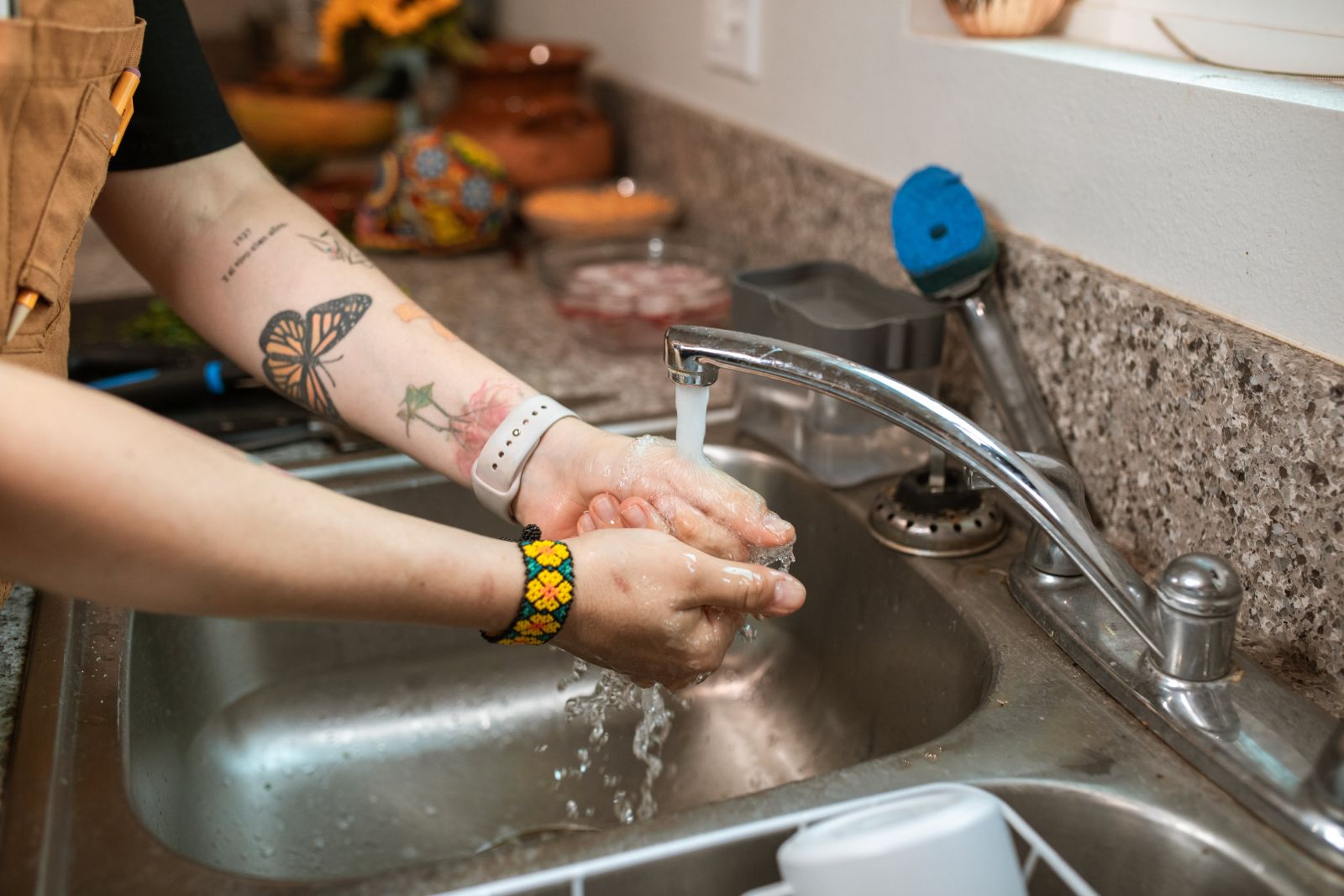
- Clean: Always wash hands and surfaces that will come into direct contact with food regularly.
- Separate: Keep cooked and raw foods separate to avoid cross-contamination by distinguishing their storage places, cutting boards, and even positions in the refrigerator.
- Cook: Cook until reaching the appropriate minimum internal temperature.
- Chill: Cool food as soon as possible to slow down the growth of harmful bacteria.
Food Safety Outside the Home
When eating out, it's essential to observe the food. Inform the waiter to cook all food thoroughly or ask them if you doubt how a particular dish is prepared. It is also better to avoid buffet-style food as the displayed items may have been at room temperature for too long.
So, that's the importance of food safety for people with HIV. This is because they are more vulnerable to infections, including foodborne illnesses. Every consumed food should be thoroughly cooked and clean. Cooking at home might be a better option than buying food outside.
Download the Fitie app now to get more interesting tips and information!