High-heeled shoes are a classic way to elevate your style. Women have various reasons for wearing high heels, from making their legs appear longer to choosing stylish and attractive designs for work or everyday wear. But did you know that high heels have a long and diverse history that spans cultures and genders?
High heels can be traced back to around 3500 BC in the Ancient Egyptian civilization. Interestingly, they were not initially designed for fashion but for practicality. Animal butchers used them to keep their feet clean and dry while working with animal blood. While high heels today are predominantly worn by women, in the 9th century, they were part of men's footwear. Persian warriors in that era sported high heels to secure their feet in the stirrups of their saddles while riding horses. This added stability and allowed them to fight more effectively on horseback.

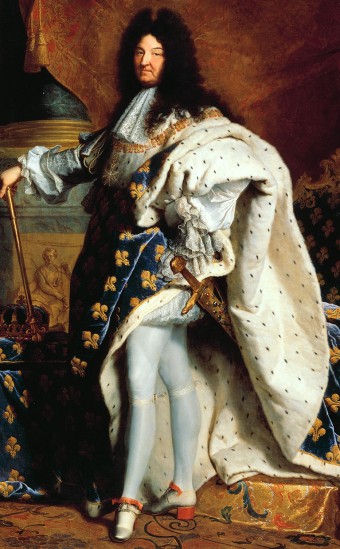
Fast forward to the late 15th century when Shah Abbas I of Persia visited Europe to establish political ties and seek allies against the Ottoman Empire. Shah Abbas wore high-heeled shoes, impressing European nobles with his towering presence. Europeans admired the strong, dominant, and masculine image created by these high-heeled shoes. The trend continued in the early 17th century with King Louis XIV of France, who stood at only around 163 cm tall. His love for high heels was well-known; he even had custom-designed heels. These shoes featured red soles and were crafted using expensive dyes, adding to King Louis XIV's opulent and revered appearance.
Despite high heels' popularity among male aristocrats for several centuries, especially nobles, a woman was credited with being the first to popularize them. Queen Catherine de Medici, who reigned in France during the 15th century, stood just 150 cm tall. To enhance her stature, she sought a Florentine shoe craftsman to create high-heeled shoes inspired by the Venetian Chopine. It's worth noting that Venetian women wore high heels not for fashion but to prevent their dresses from getting dirty in the muddy streets. Queen Catherine is thus recognized as the first woman to wear high heels for practical reasons.
The era of high-heeled shoes for male aristocrats began to wane with the Renaissance, a time of significant transition and cultural shifts in Europe. This period shifted focus away from status and wealth, marking the decline of competition for dominance among the nobility. As a result, the trend of high heels for men gradually faded. Some decades later, women started embracing high heels with a fresh perspective again. These heels were no longer seen as masculine but as a symbol of femininity, creating the illusion of longer legs and embodying beauty.
In the 19th century, Christian Dior added a modern touch to high-heeled shoes by incorporating gemstones as decorative elements. The evolution of high heels continued over time, adapting to different eras and gaining popularity among women. Today, high-heeled shoes come in countless styles and designs, showcasing their enduring appeal and versatility.