1. Separate Personal and Professional Life
Some say that remote working is great for improving your life balance, but it can sometimes blur the lines between your personal and professional life. For example, you may find yourself working outside of normal hours, completing work in your leisure time, or staying up late. As a result, you may feel that your life is only about work. Strategies to overcome this are:
a. Make a Schedule
be consistent with your working hours and spend as much time as possible outside of it on life other than work.
b. Inform others about your off schedule
Make sure other people or coworkers know when you are off from work or when you can't be disturbed because you have to work.
c. Plan activities outside of working hours
Make plans to do something when you are not working, such as meeting up with friends, going for a walk, or a drakor marathon.

Personal and professional life should not conflict with each other
2. Take a break
Time off is very important, including pausing during the workday or breaks, weekends, or red dates. Also, don't miss out on the opportunity to take an intentional day off. During that time, make sure you're not struggling with work, but rather spending time on personal development or fun activities.
3. Dare to Say No and Be More Vocal
You just need to focus on what you have to do. This is followed by the things you want to do. If you need help, then ask if others can help you. But if other people are bothering you, then have the courage to tell them honestly that it's bothering you.
4. Don't Work When You're Not Working
It's simple, but harder to achieve than expected. But the boundaries of time and activities should be clear. When the workday is over, so are your tasks. You don't need to check your work email or just look at group notifications. Doing so will only increase stress and pressure when you should be relaxing. The free time available should be utilized for life outside of work.
5. Recognize the Signs of Burnout
Burnout is more than just the usual feeling of being tired and unmotivated, it's a time when you feel so exhausted and empty that you find it difficult to go about your daily routine, including work. The exhaustion that comes with burnout can cause physical and mental symptoms, such as:
Physical: headaches, high blood pressure, stomach aches, and sickness.
Mental: loss of interest, difficulty concentrating, apathy, depressed mood, and sleep disturbances
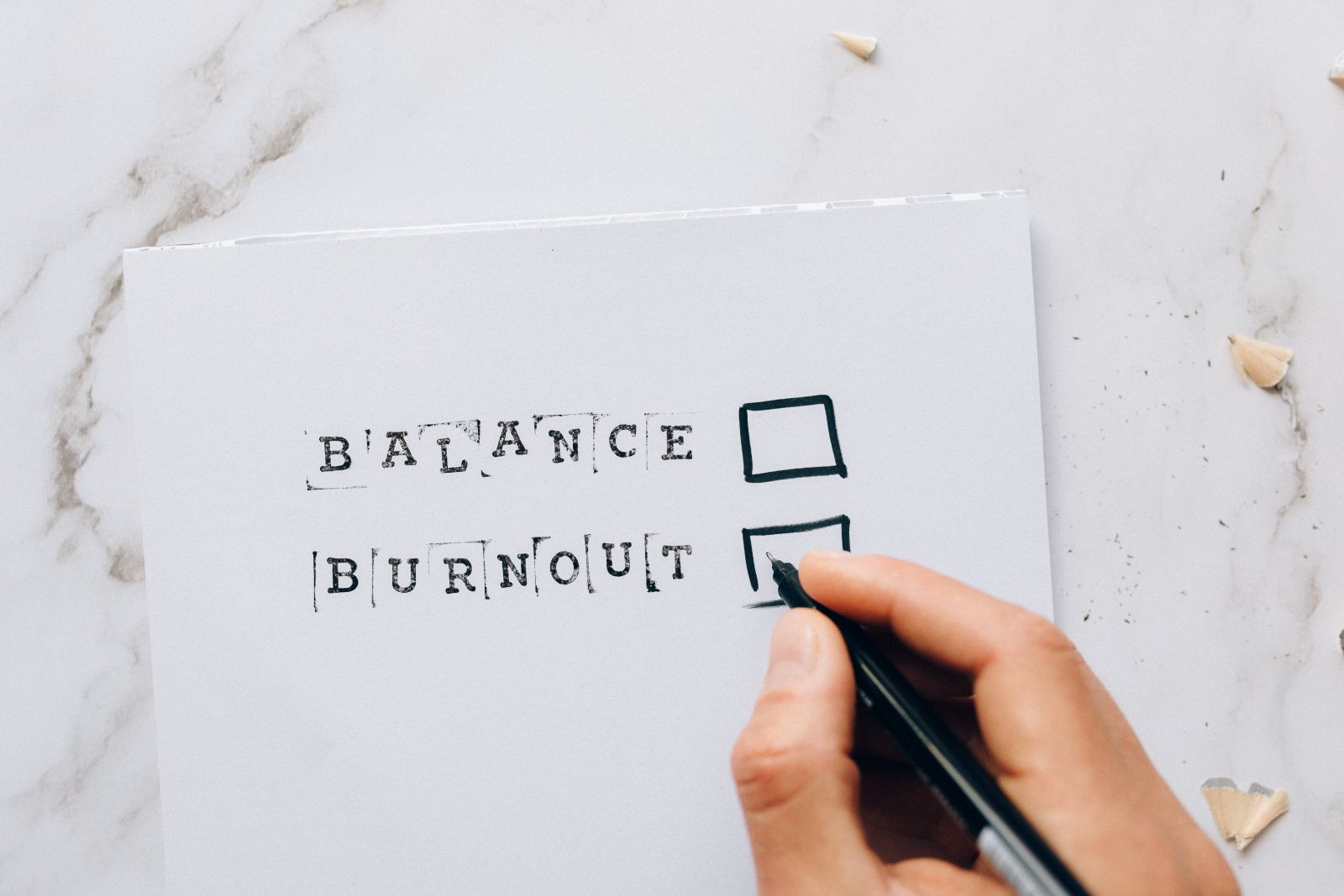
Must be able to recognize the signs of burnout
6. Consider Finding a New Position or Workplace
Sometimes, burnout can only be solved by changing jobs. It may be that the position is not suitable for you or the workplace environment is toxic. Beforehand, it would be good if you discuss with your boss to talk about it, for example related to any changes regarding work.
However, if your boss still refuses or there is no middle ground that can change your current work rhythm, the next thing you can consider is moving to a new company. It's not because you're desperate, but a poor work balance can be detrimental to your personal well-being.
7. Manage Stress Well
Work life balance can then be achieved with the ability to manage stress, especially when you have started to feel an imbalance. Some ways you can do this include delegating tasks, eliminating perfectionism, and calming your mind and body through meditation, mindfulness, or deep breathing exercises.
Indeed, not all desires can be achieved easily, nor is doing so as easy as saying. But certainly, your hard work at work must also be balanced with pleasing yourself. Perfectionism is fine, but don't let it hinder your happiness, Ladies. Cheers for the future!
Let's download the Fitie application now to get tips and other interesting information!