When still in fetal form, most of the skeleton consisting of cartilage will turn into bone. However, in achondroplasia, the cartilage tissue does not develop, especially in the bones of the arms and legs. As a result, a person experiences dwarfism, which is characterized by short upper arms and upper legs.
Generally, babies born with achondroplasia will experience delayed development of motor skills. On the other hand, the long-term effects of this condition are breathing problems, recurrent ear infections, back and leg pain, curved spine, obesity, bowed legs, excess fluid in the brain, and obstructive sleep apnea.
Symptoms
This disorder is rare and anyone can get achondroplasia, even if their parents did not experience the same thing, aka the condition is not inherited. This condition occurs due to a gene mutation in the receptor that turns cartilage into bone during fetal development. The characteristics of people with achondroplasia can actually be seen clearly, such as:
-
Shortened thigh and upper arm bones (so that the hands and feet look short)
-
There is a large gap between the third and fourth fingers
-
Maximum height is about 120 cm (4 ft)
-
Head size is larger than normal
-
Prominent forehead
-
Snub nose
-
Stiff elbows
-
Delayed infant development (sitting, crawling, walking)
The majority of people with achondroplasia can live a normal life and have the intelligence of other people as well, but indeed development during infancy will be slower than other babies. On the other hand, the symptoms above can still make it difficult for sufferers to perform daily tasks, such as difficulty reaching for objects or difficulty walking.

Despite their different physical characteristics, people with achondroplasia can still live a normal life.
Diagnosis
Achondroplasia can be recognized when the baby is still in the womb, when the doctor performs an ultrasound, especially when one of the parents has this condition. The main characteristics that will be identified are whether the arms and legs appear shorter and whether the head is large. However, many cases are discovered after birth.
If neither parent is affected, then some of the tests that can be done to help diagnose achondroplasia are x-rays, genetic testing on the FGFR3 gene, and MRI or CT scans to identify muscle weakness or spinal cord compression.
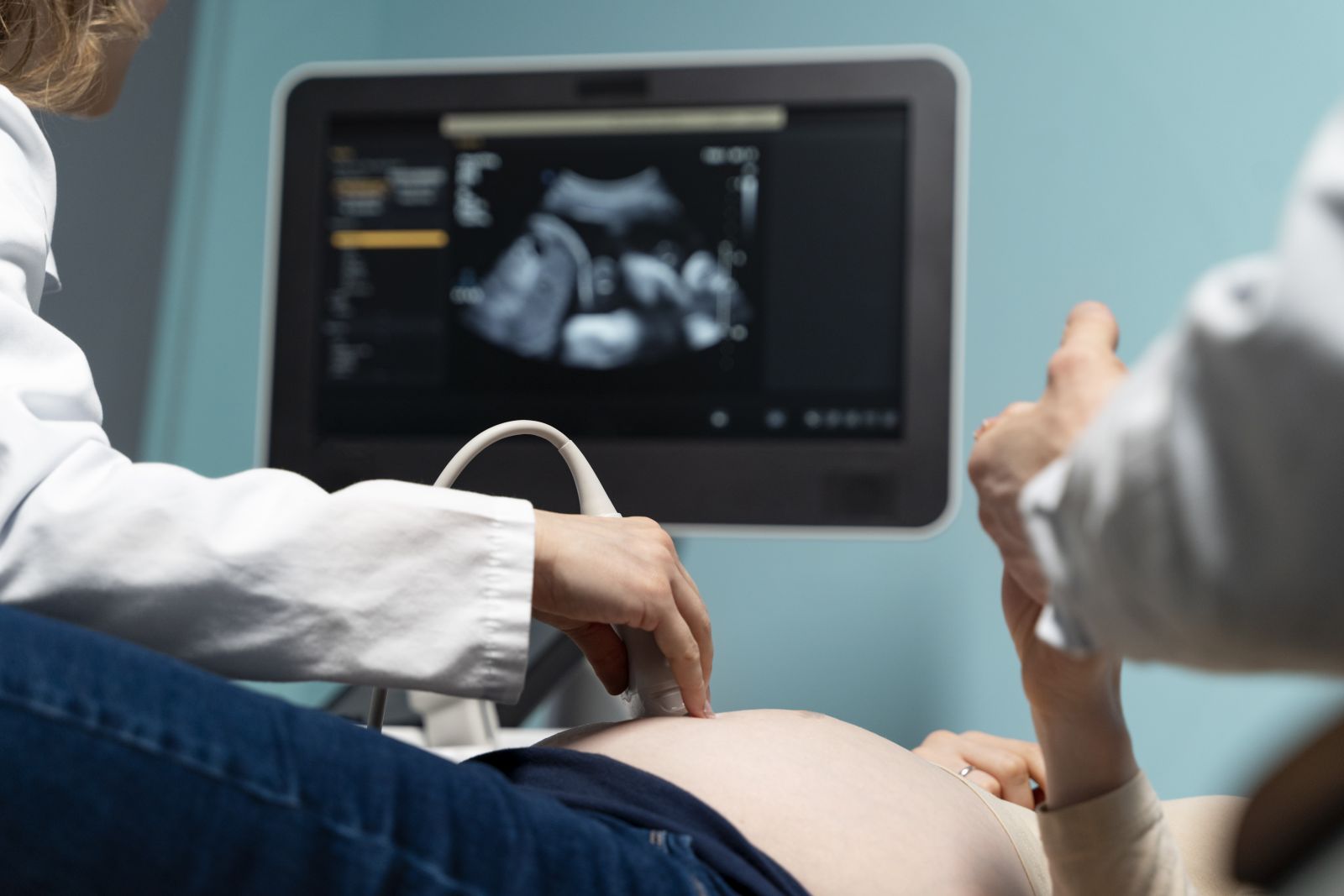
Achondroplasia can be diagnosed in the womb, but many cases are not recognized until after the baby is born.
Treatment
There is no specific treatment to cure or manage the symptoms of achondroplasia. However, to track the growth and development of the baby, the mother should regularly check the baby at the health center or hospital to monitor height, weight, and head circumference. However, the management of achondroplasia is more focused on preventing complications, such as:
-
Obesity: weight management and a nutritionally balanced diet
-
Brain: surgery to lower fluid pressure in the brain
-
Ear infections: ear tubes or antibiotics
-
Apnea: use of continuous positive airway pressure (CPAP)
-
Growth: injection of growth hormone
Achondroplasia occurs due to a mutation of the FGFR3 gene which causes the cartilage to not develop into regular bone, especially in the upper arms and upper legs (thighs). Therefore, the physical feature that will be seen is a short body. They can still live a normal life, but the risk of complications remains. Come read other Fitie articles!
Let's download the Fitie application now to get tips and other interesting information!