1. Thermometer
A thermometer is an important healthcare tool to have at home, especially during rainy seasons or when illnesses like fever, colds, and flu are common. This device is useful for measuring body temperature, which is generally a symptom of various illnesses. If a high or low temperature reading is detected, it prompts individuals to seek medical attention as a preventive measure.
2. Body Scale
A body scale is a simple yet important healthcare tool to have at home. Beyond just numbers increasing or decreasing, the readings are useful for detecting sudden weight changes, which could be indicative of underlying conditions. You can monitor your weight daily, weekly, or monthly.
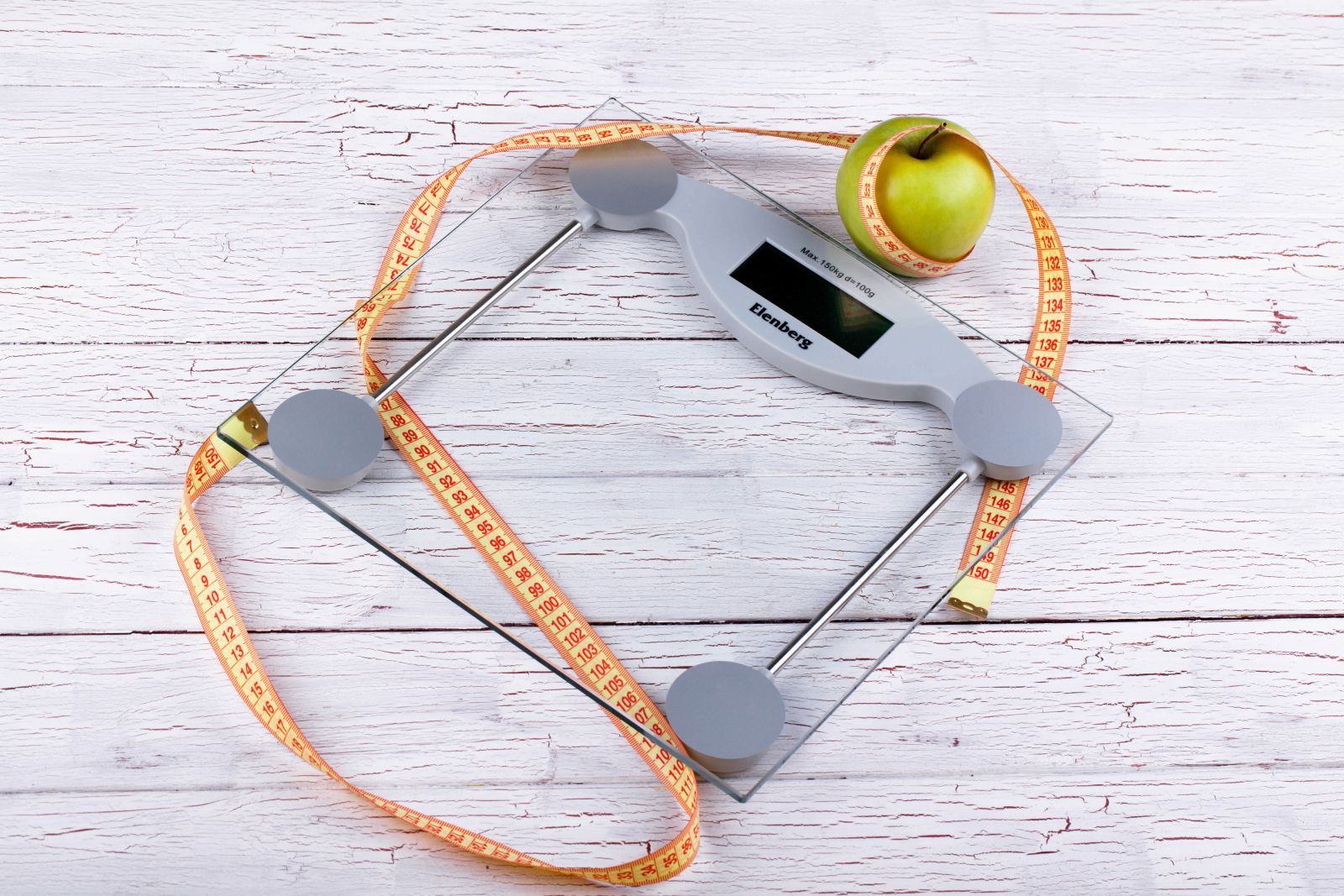 It's not just a number, but weight gain or loss can be a sign of certain health problems.
3. Blood Pressure Monitor
Blood pressure is one of the vital signs that need monitoring. This is beneficial not only for someone with hypertension but also for ensuring correct medication intake. Digital blood pressure monitors can record blood pressure and pulse readings in an easy and straightforward manner.
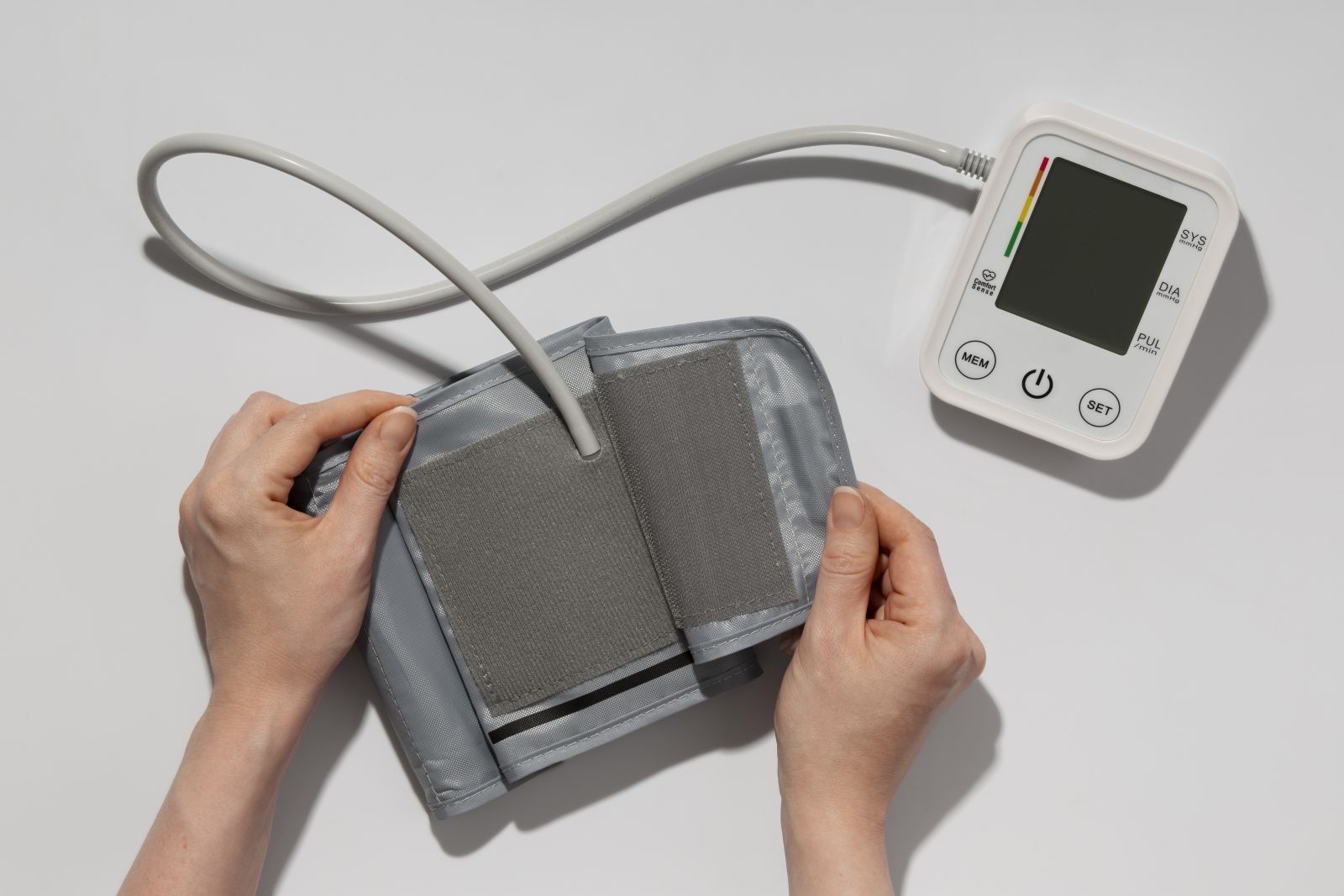 Monitor blood pressure easily at home with a tensimeter
4. Glucometer
Monitoring blood sugar levels is important for individuals with diabetes mellitus, but it's also useful for those suspected of having this chronic disease. This tool consists of three components: the glucometer, disposable test strips, and a small pen-like lancet. The test strip is inserted into the slot on the glucometer after pricking the finger.
5. Pulse Oximeter
A pulse oximeter measures blood oxygenation levels and heart rate. This device is very useful for individuals experiencing respiratory or lung issues. Its use is simple: clip it onto a finger and wait a few seconds for the results to appear on the screen.
The normal range of oxygen saturation is between 95% and 98%. If the measurement is slightly lower, there's no need to worry as long as it's not below 92%. Low blood oxygen levels usually result in insufficient oxygen supply to tissues, including vital organs.
6. Massager
While a massager may not be directly related to emergency situations, it plays a significant role in managing health by helping to control stress and enhance relaxation. A massager assists in reducing muscle tension, improving blood circulation, and relieving physical discomfort.
Having healthcare tools like a thermometer, body scale, blood pressure monitor, glucometer, pulse oximeter, and massager at home not only provides convenience but also serves as a preventive measure against serious health issues. These tools enable us to quickly and accurately address health concerns at home.
Choose quality healthcare tools, not just any brand, and use them correctly according to the instructions for more accurate results. This way, we can be better prepared to handle various health conditions at home. Out of these six tools, which ones have you already prepared? Let us know in the comments!
Hey, grab the Fitie app now for cool tips and other fun stuff!