1. Egg Yolk
Eggs are a nutritious food that we can easily obtain and can be processed into various types of dishes. However, the cholesterol content is quite high, especially in the yellow part. In general, consuming 1 to 2 eggs per day is still allowed, as long as it's not just the yolk.
2. Red Meat and Processed Meat
Consumption of red meat, such as beef, lamb, and pork, is associated with increased blood cholesterol levels. Not only that, processed meats, such as sausages, hot dogs, corned beef, and bacon also contain high cholesterol. Excessive consumption not only increases blood cholesterol levels but can also increase the risk of heart disease and cancer.
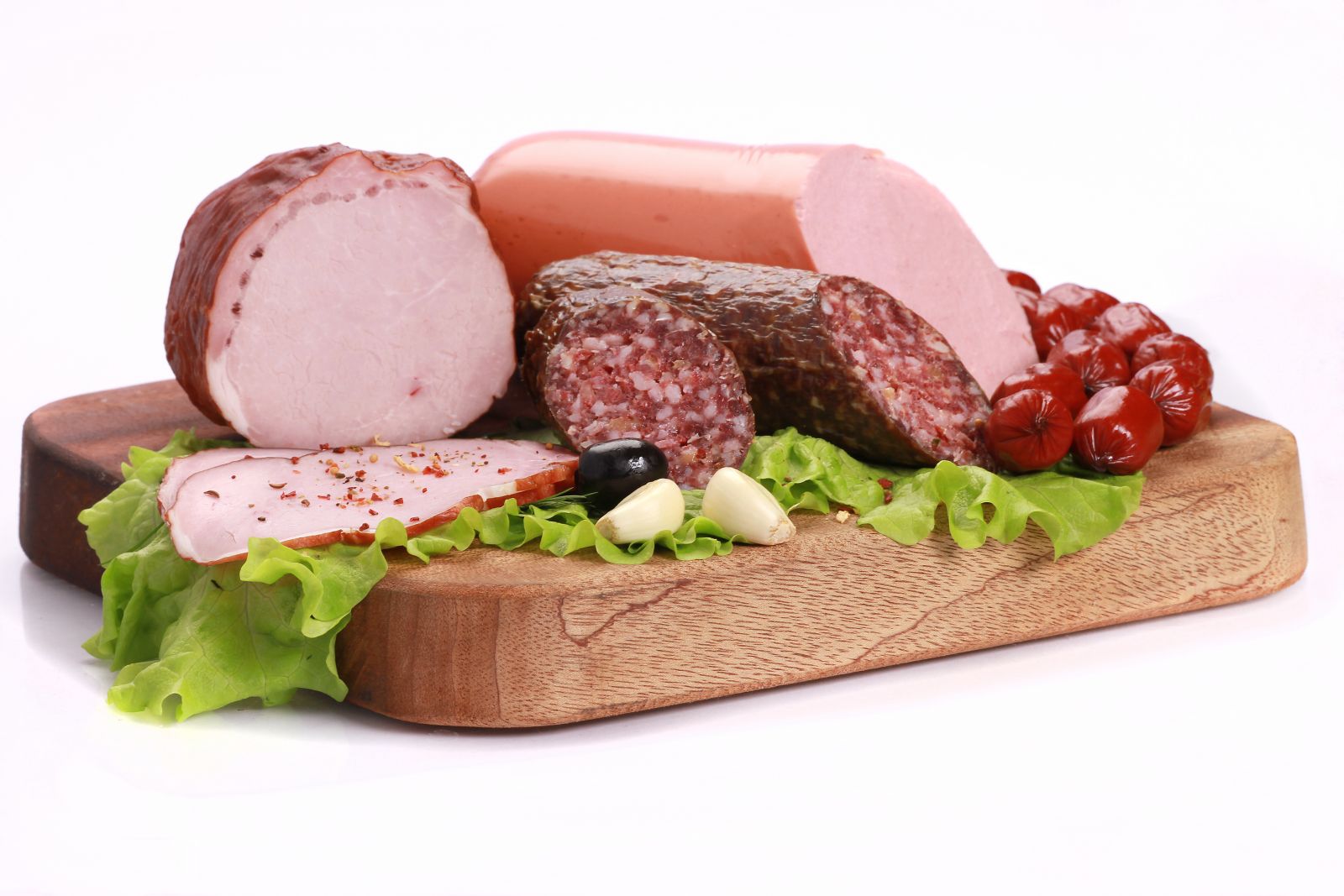
Limit the consumption of processed meat in your diet; choose fresh meat that is low or without fat.
3. Offal
Offal, such as the heart, liver, lungs, tripe, and brain, are rich in cholesterol. Not to mention if you buy it at a Padang restaurant, it is usually processed into curry with coconut milk. Consuming foods like this will contribute to the intake of bad fats, which are dangerous for the health of the heart and blood vessels.
4. Shellfish
The shellfish referred to here are shrimp, lobster, crab, and clams. They contain very high cholesterol. However, they also contain good nutrients such as protein, B vitamins, iron, and selenium. Of course, this food can still be consumed, as long as it is not excessive and is balanced with other sources of animal protein that are lower in saturated fat, such as fish rich in omega-3.
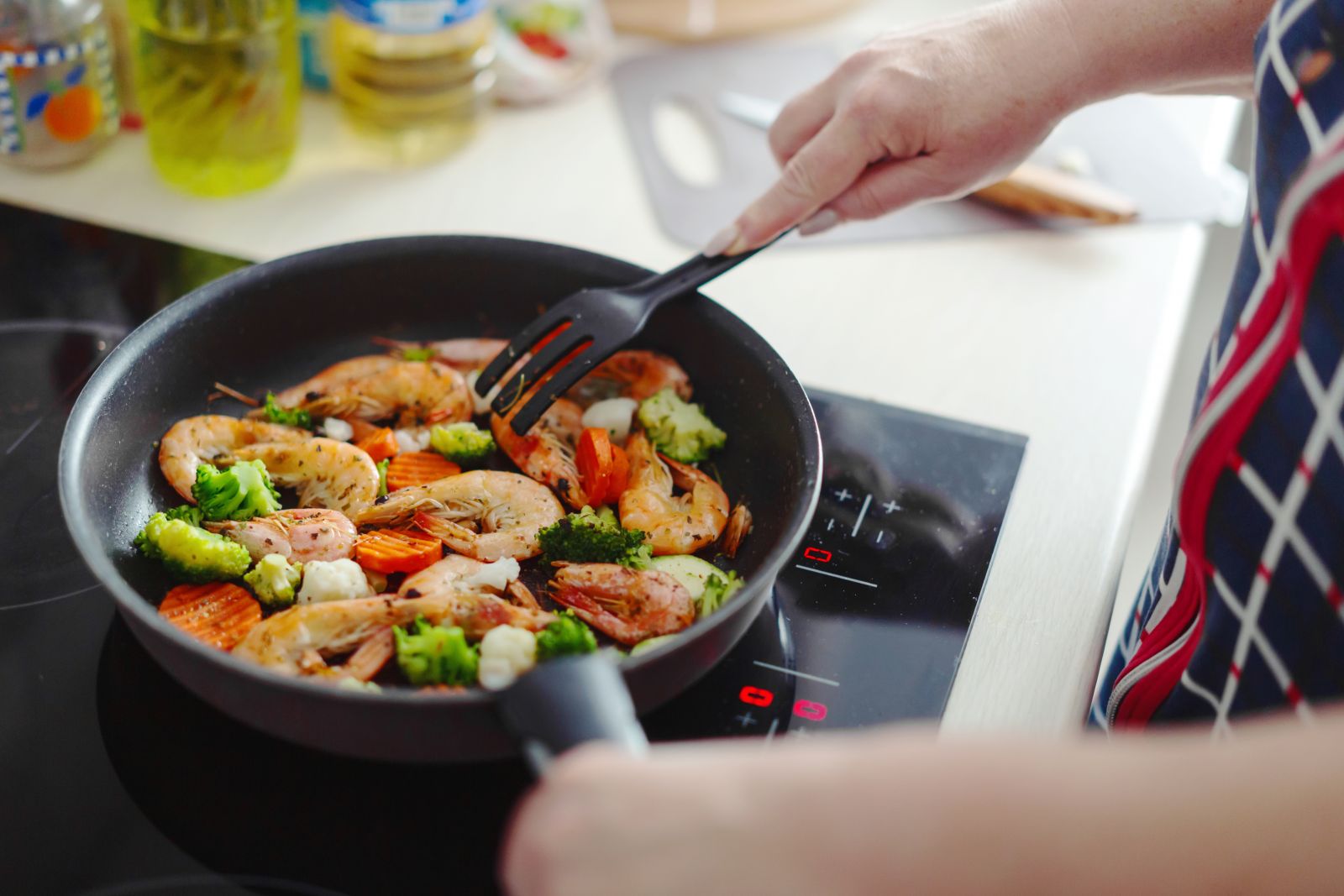 Shellfish, shrimp, lobster, and crab are quite high in cholesterol but also contain other good nutrients.
5. Fried Foods and Fast Food
French fries, cheese sticks, katsu, crispy mushrooms, and fast food contain high cholesterol. This is because the frying process causes an increase in trans fat content. Consuming foods high in trans fats is associated with an increased risk of heart disease, obesity, hypertension, and diabetes.
Combine with Other Foods
Consumption of the foods above needs to be limited, but when you eat them, it's a good idea to combine them with other foods that are richer in nutrients, for example, fiber. This type of insoluble fiber is good for digestive health. It will bind cholesterol in the bloodstream and help excrete it through feces. Examples of these fibers include:
- Nuts
- Grains
- Legumes
- Wheat
- Vegetable oils (olive oil, canola oil, safflower oil)
Additional Tips
Eliminating the food list above may be impossible because we also need fat to carry out bodily functions. Therefore, we can increase our efforts to prevent the risk of cardiovascular disease by implementing the following additional tips. It's not difficult; it's simple, listen carefully!
- Remove all visible fat from meat and remove skin from poultry (chicken, duck, pheasant).
- Remove or skim frozen fat from the top layer of cold soup or hot soup.
- Grill meat or other food ingredients instead of frying them in a lot of oil.
- Enrich the nutrients in one plate of food by adding a source of fiber.
Controlling blood cholesterol levels is an important key to preventing the risk of cardiovascular disease. Foods such as egg yolks, red and processed meat, offal, shellfish, fried foods, and fast food are food groups that are high in cholesterol and saturated fat. Therefore, limit consumption as much as possible.
However, it is not only limited; success in controlling cholesterol also involves aspects of a nutritionally balanced diet. Combine these foods with foods rich in fiber and other nutrients to help eliminate bad cholesterol in the body. How are you doing, ladies? What is your current eating pattern like?
Download Fitie so you can be healthier!