Evaporated milk is milk made by removing around 60% of the water from regular milk. This process involves homogenization (a process that mixes milk fat evenly into the milk), sterilization (to kill the growth of harmful microorganisms), and canning (packaging).
The result of this series of processes is a more concentrated milk with a thick and creamy consistency, with a color and taste slightly similar to caramel. Even though most of the water is removed, the nutritional composition is maintained, making it a nutrient-rich dairy product. In addition, due to its different concentrations, it will have a longer shelf life.
Nutrient content
Unlike sweetened condensed milk, evaporated milk does not contain added sugar.
Its nutritional composition is regulated by the Codex Alimentarius internationally and by the Code of Federal Regulations (CFR) in the United States. Based on the CFR, evaporated milk must have at least 6.5% milk fat, 16.5% nonfat milk solids, and 23% total milk solids. The following is the nutritional content in 240 ml:
- Evaporated milk: 338 calories, 25 grams carbohydrates, 17 grams protein, 19 grams fat, 25 grams sugar
- Low-fat evaporated milk: 232 calories, 28 grams carbohydrates, 19 grams protein, 5 grams fat, 28 grams sugar
- Fat-free evaporated milk: 197 calories, 28 grams carbohydrates, 19 grams protein, 0.5 grams fat, 28 grams sugar
- Regular cow's milk: 149 calories, 12 grams carbohydrates, 12 grams protein, 8 grams fat, 8 grams sugar
Based on the data above, it can be seen that evaporated milk in various types has a higher nutritional content than regular milk, especially calories, carbohydrates, protein, and sugar. However, evaporated milk is also rich in minerals, such as calcium, magnesium, and zinc. Keep in mind, the difference with sweetened condensed milk, evaporated milk does not contain added sugar.
Healthy or Not?
Evaporated milk may be an option that can be consumed if you want to add extra calories to your diet to gain weight. This is because its nutritional content is quite high. However, consumption in excessive amounts needs to be limited. This is because there is a risk of weight gain (because it is high in calories) and type 2 diabetes mellitus (because it is high in sugar).
Lack
Because evaporated milk contains higher levels of sugar and protein than regular milk, consumption may need to be avoided by people with lactose intolerance or cow's milk allergies. Even though there is no added sugar in evaporated milk, the lactose (natural sugar in milk) and protein content are higher.

Evaporated milk needs to be avoided by people with lactose intolerance and cow's milk allergies
Application
Evaporated milk has a soft texture but without added sweetness, so it is suitable for processing sweet and savory foods, especially for foods or drinks that require extra viscosity. Some examples of dishes that add evaporated milk are as follows:
- Tea or coffee
- Curries, soups, stews
- Substitute for regular cow's milk (mix it with water in a 1:1 ratio)
- Cheese sauce
- Creamy sweet drinks (smoothies, sago)
- Breakfast cereal or cookies
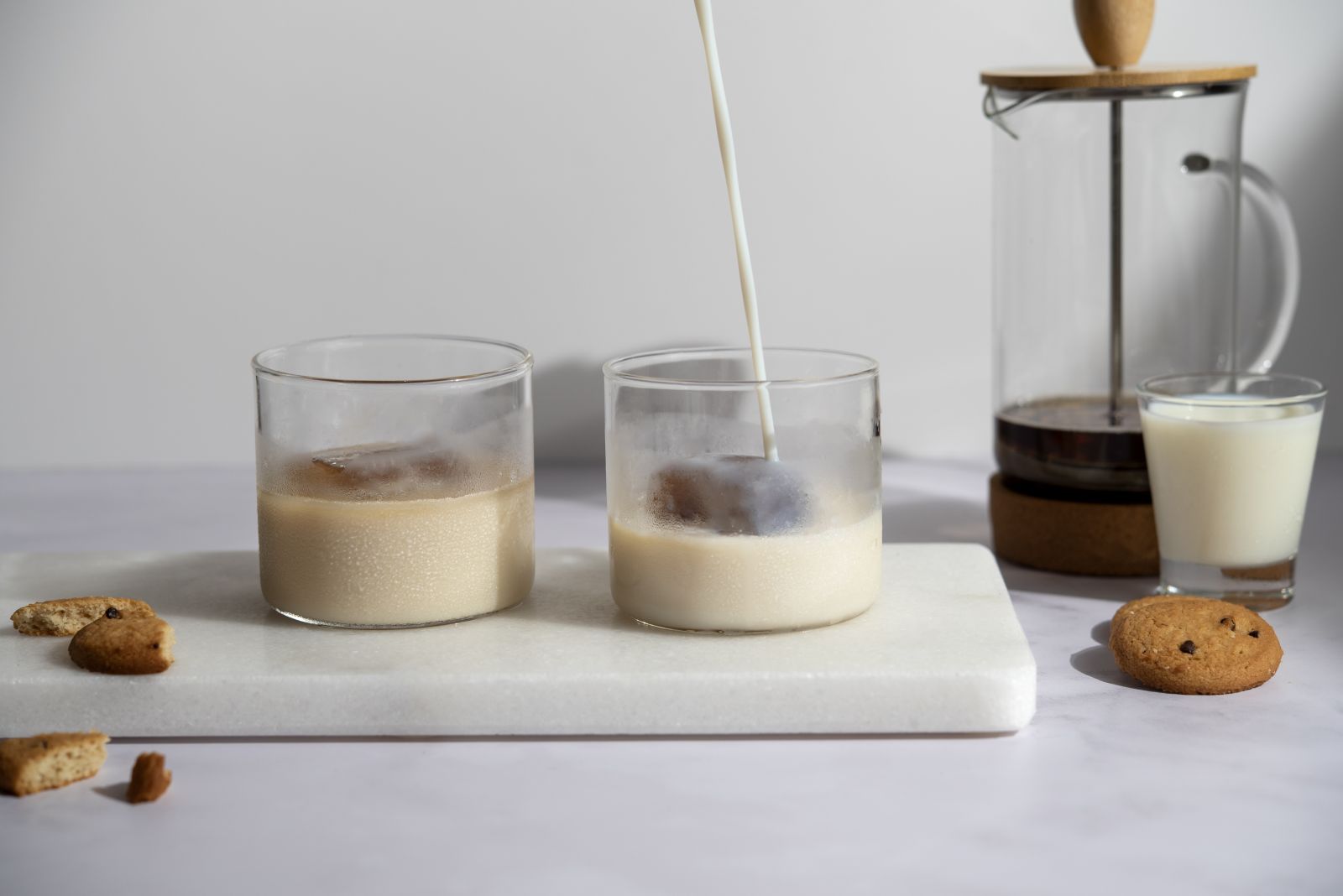
Evaporated milk can be used to add thickness and creamy texture to dishes
Evaporated milk is made by removing the water content. This type of milk can be a good addition to increasing calorie and mineral intake in the diet, especially for those who want to gain weight. However, excessive consumption needs to be avoided, especially for those who have problems with lactose intolerance or cow's milk allergies. Evaporated milk can still be consumed, but don't use too much!
Hey, grab the Fitie app now for cool tips and other fun stuff!