Singapore Flu or hand-foot-and-mouth disease is a mild viral infection, easily transmitted, and mostly affects young children (especially those under 5 to 7 years old). Singapore Flu is generally caused by viruses from the Enterovirus genus, especially coxsackievirus. Singapore Flu has fairly characteristic signs, namely the appearance of sores or lesions in the mouth and rashes on the hands and feet.
Symptoms
If the condition is mild, the disease will disappear within a few days. Singapore Flu symptoms usually begin to appear 3 to 6 days after someone is infected. This period is called the incubation period. When symptoms begin to appear, a person may experience the following:
- Fever
- Decreased appetite
- Sore throat
- Headache
- Easily irritable
- Malaise (feeling unwell)
- Painful red sores in the mouth
- Increased saliva production leading to drooling
- Red rash on the hands and soles of the feet
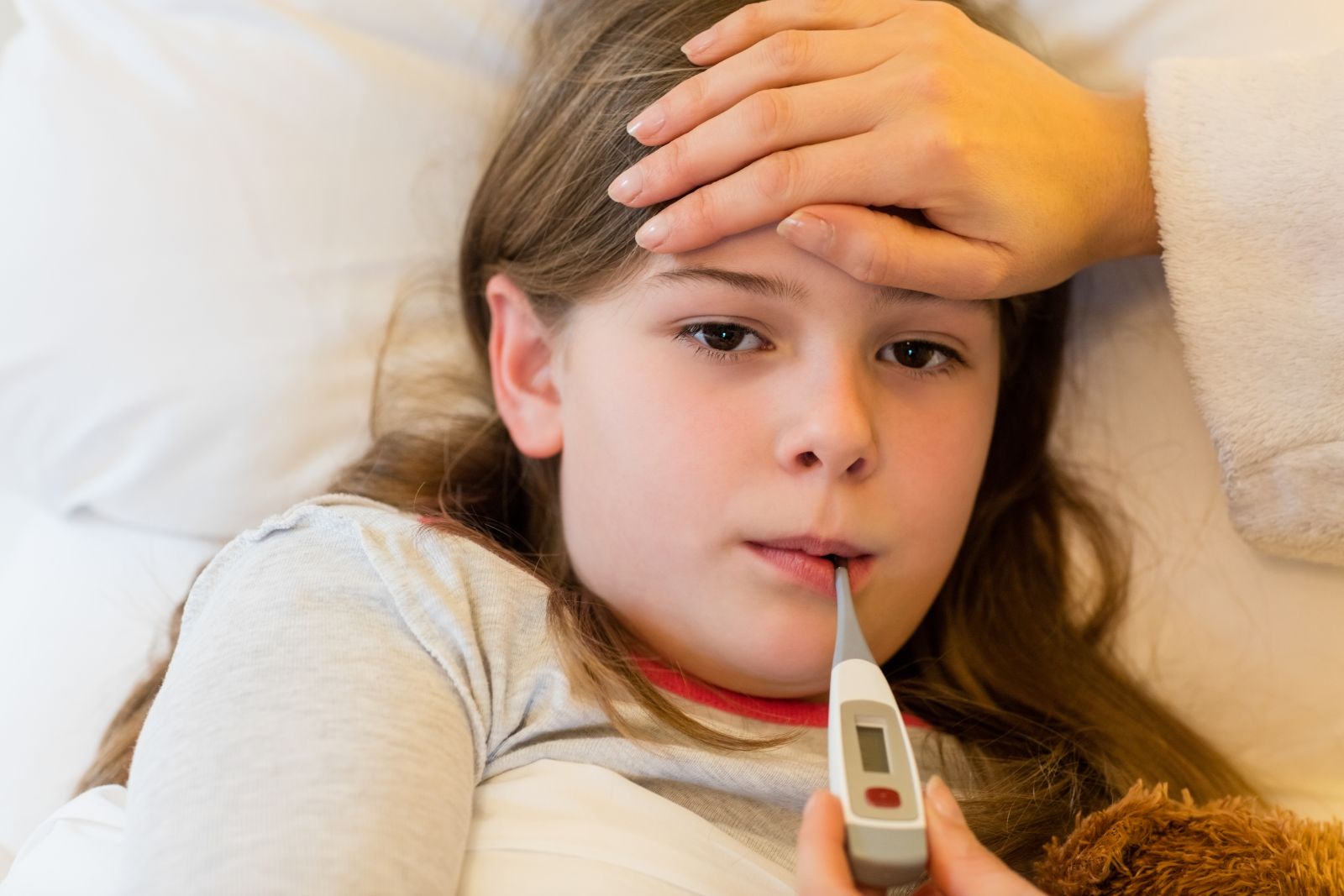
Fever and sore throat usually appear first, followed by the appearance of sores and rashes 1 to 2 days later. The rash will appear as flat red spots and can easily be found on the palms and soles of the feet due to their lighter skin color. In addition, sores may also appear in the mouth, such as on the tongue, sides, and throat.
Causes
As mentioned earlier, Singapore Flu is caused by the coxsackievirus, especially coxsackievirus A16. Coxsackievirus belongs to a group of viruses called enteroviruses. However, in some cases, other types of enteroviruses may also cause this disease. It is highly contagious, transmitted through:
- Saliva
- Fluid from blisters
- Feces
- Droplets after coughing or sneezing
- Direct contact with unwashed hands or surfaces containing the virus
Diagnosis
Singapore Flu is generally diagnosed by a doctor through a physical examination, especially in the mouth and body parts to look for blisters and rashes. In addition, the doctor will also ask about other possible symptoms. Furthermore, to strengthen the diagnosis, the doctor may take throat or stool samples for laboratory testing.
Treatment
Most cases of Singapore Flu can recover without treatment within 7 to 10 days. However, doctors usually prescribe some medications to help alleviate symptoms until the disease heals. Here are the types of treatment that may be recommended:
- Topical ointment to relieve blisters and rashes
- Pain relievers to reduce headaches
- Syrup or tablets for sore throat relief

After exposure to the virus, a person may develop immunity to Singapore Flu. They may not get sick if exposed to this virus again. However, there is still a possibility of getting infected again, especially for young children and the elderly, especially when their immune system is weak.
Singapore Flu is a viral disease that is generally mild but highly contagious, especially among young children. The main symptoms are fever and sore throat, but most will be followed by blisters or rashes that are easily seen on the palms or soles of the feet. In addition, sores may also appear in the mouth.
How to prevent it? Let's move on to the next article!