In the previous article, we learned that Singapore flu spreads very easily. This means that if someone is infected with this virus, they can easily transmit it to others. The quickest spread occurs during the first week of illness, but individuals can still spread it to others for days after their symptoms disappear. The routes of transmission are as follows:
- Contact with droplets from coughing, sneezing, or talking with an infected person
- Touching an infected person or engaging in close contact, such as kissing, hugging, or sharing cups or utensils
- Touching the feces of an infected person, such as changing diapers, then touching the eyes, nose, or mouth
- Touching objects and surfaces that contain the virus, such as doorknobs or toys, then touching the eyes, nose, or mouth
- Swallowing water during recreation, such as in a pool where the water is not properly treated
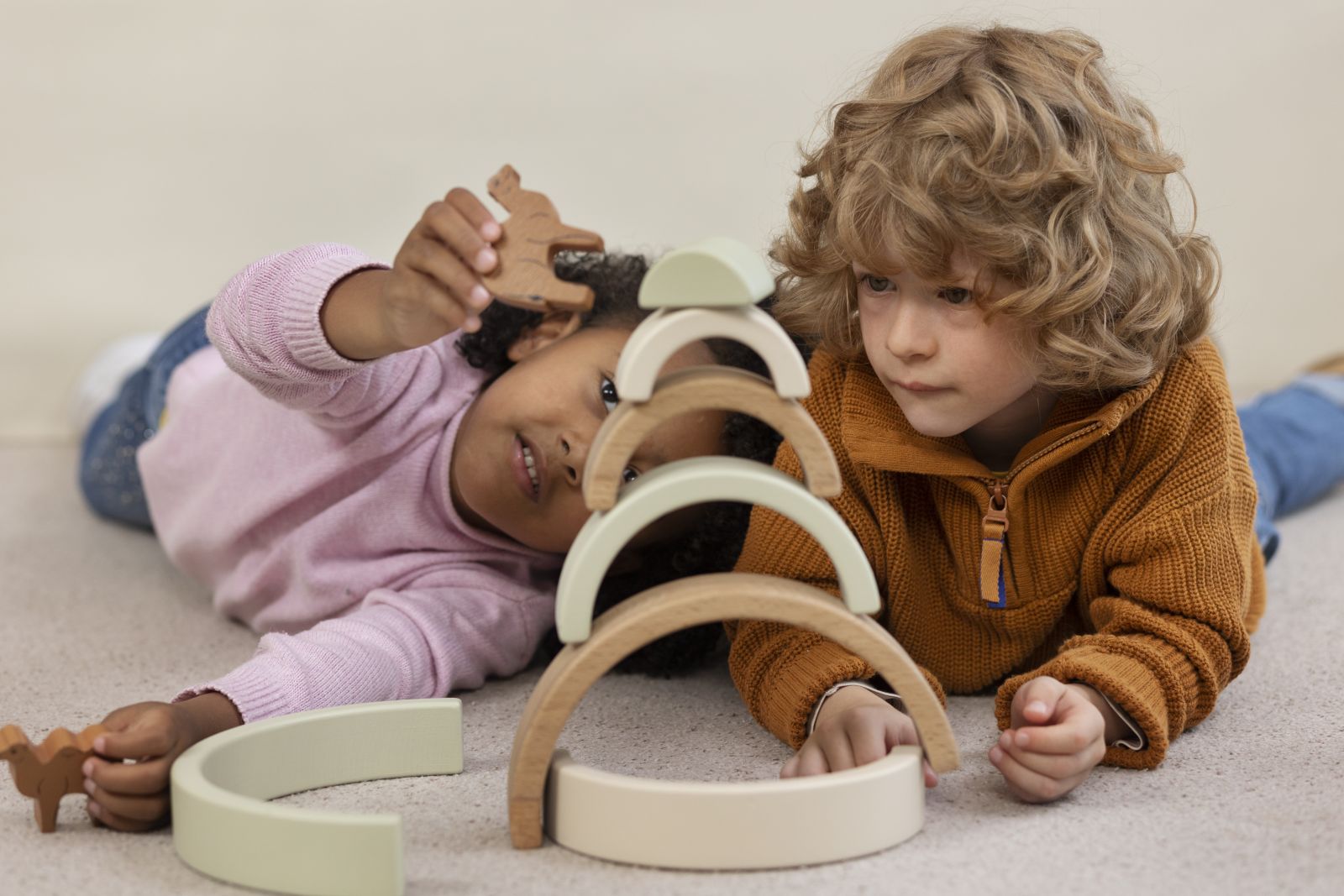
The virus can be transmitted through droplets attached to objects close to daily activities
Complications
Some complications that can arise from Singapore flu include:
1. Dehydration
This is more likely to occur in young children who have difficulty swallowing due to painful mouth sores. Therefore, parents should ensure their children drink enough water to prevent dehydration.
2. Nail Loss on Fingers and Toes
Although very rare, some individuals may lose fingernails or toenails after suffering from Singapore flu, especially in children. Nails typically regrow within a few weeks.
3. Meningitis
Meningitis caused by the virus is an extremely rare complication of Singapore flu. Symptoms include fever, headache, neck stiffness, or back pain.
4. Encephalitis or Paralysis
Even more rarely, some individuals with Singapore flu may experience encephalitis (brain swelling) or paralysis. These conditions are emergencies that require immediate medical attention.

Pastikan anak cukup minum air untuk mencegahnya mengalami dehidrasi
Prevention
1. Handwashing
Ensure frequent handwashing with soap and clean running water for at least 20 seconds. If soap and water are not available, use alcohol-based hand sanitizer. Handwashing is crucial after changing diapers, using the toilet (especially in public), or after sneezing and coughing. Teach children the proper handwashing technique and encourage them to do it regularly.
2. Avoid Close Contact with Sick Individuals
Because the virus is highly contagious, it's best to avoid direct contact like hugging or kissing with someone who has Singapore flu. Children are usually allowed to attend school or daycare if they are not feverish, do not drool due to mouth sores, and feel well enough to participate in learning activities.
However, if in doubt, consult a pediatric healthcare provider. In some cases, local health departments may recommend that children with Singapore flu stay home to control spread. What about infected adults? Although most adults do not experience symptoms, there is still a risk of virus transmission, so it's best to consult with a local healthcare provider.
3. Avoid Touching Eyes, Nose, and Mouth and Disinfect Surfaces
Viruses can infect the body when they are on the hands and then touch the eyes, nose, and mouth. Therefore, avoid touching these areas before thoroughly washing hands. Additionally, because virus-laden droplets can potentially spread to surfaces, ensure regular cleaning and disinfection of objects like toys and doorknobs.
Preventive measures to avoid Singapore flu are relatively simple, starting with regular handwashing, avoiding close contact with sick individuals, and maintaining cleanliness of everyday surfaces. Additionally, it's important to understand the symptoms so that appropriate action can be taken promptly. Let's prevent the increase of Singapore flu cases!
Hey, grab the Fitie app now for cool tips and other fun stuff!