Varicose veins occur when blood vessels enlarge, dilate, and fill with an excess of blood, causing them to swell, protrude, and appear blue-purple or red, often accompanied by discomfort. Typically, varicose veins in the legs are more common in women, especially in the lower legs.
Causes
Varicose veins develop due to malfunctioning blood vessels. Normally, one-way valves in the veins prevent blood from flowing backward. When these valves fail to function properly, blood pools in the veins instead of being directed toward the heart, leading to vein enlargement.
Why are varicose veins more common in the legs? This is because leg veins are the farthest from the heart, and gravity makes it more challenging for blood to flow upward. Some potential causes of varicose veins include:
- Pregnancy
- Menopause
- Being over 50 years old
- Engaging in activities that require prolonged standing
- Being overweight
- Family history of varicose veins

Diagnosis
Varicose veins are diagnosed through physical examination of the leg area while the individual is sitting or standing. The symptoms and level of pain are also assessed. To visualize blood flow, additional tests such as ultrasound or venography may be performed. These advanced examinations help rule out other conditions with similar symptoms, such as blood clots or blockages, which can also cause leg pain and swelling.
Treatment
Treatment for varicose veins consists of conservative measures (lifestyle changes), but aggressive interventions (surgery) may be necessary. Here are four treatment strategies to address varicose veins in the legs:
1. Lifestyle Changes
Typically, doctors recommend lifestyle modifications. This includes avoiding prolonged standing, achieving and maintaining a healthy weight, regular exercise, and elevating the legs during rest or sleep.
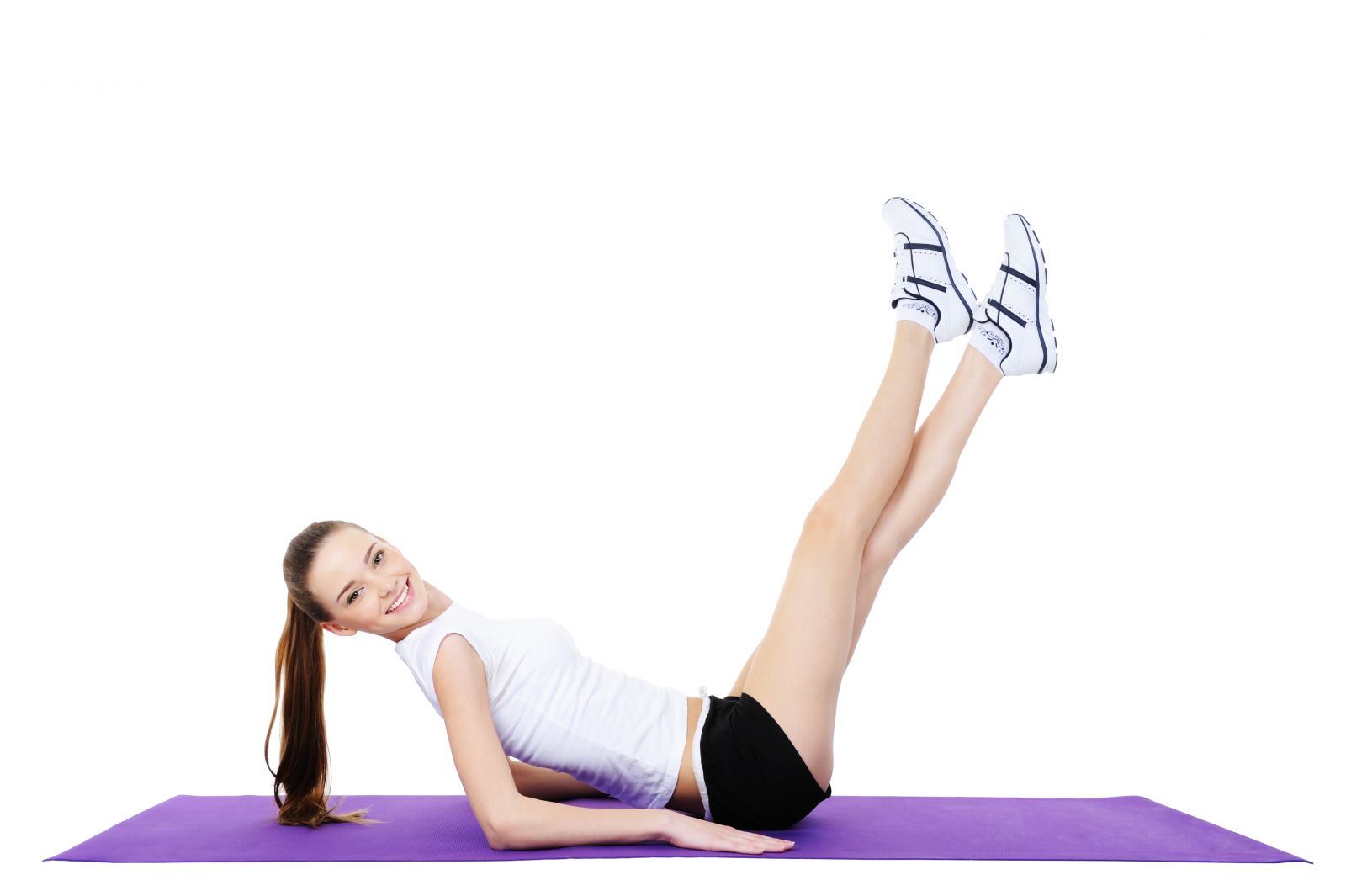
Achieve your ideal weight, exercise regularly, and rest your feet by lifting them up.
2. Compression
Doctors may suggest wearing special compression stockings. These garments apply adequate pressure to the legs, promoting easier blood flow to the heart and reducing swelling. These stockings can be found at a nearby pharmacy.
3. Surgery
If lifestyle changes are ineffective or if varicose veins cause significant pain or disrupt overall health, surgery may be recommended, such as vein ligation and stripping.
4. Other Treatment Options
Various alternative treatments for varicose veins have emerged, aiming to block the affected veins. These include sclerotherapy (using liquid or foam chemical injections), microsclerotherapy (using liquid chemical injections), laser surgery (using light energy), endovenous thermal ablation therapy (using heat and radiofrequency waves), and endoscopic vein surgery (using a small scope).
Varicose veins are a common condition, particularly in women, characterized by enlarged veins in the legs that appear bulging and bluish-purple, often causing discomfort. Treatment primarily involves lifestyle changes, but sometimes further medical intervention is necessary to alleviate symptoms.
Hey, grab the Fitie app now for cool tips and other fun stuff!