Microsleep is a period of sleep that lasts for a few seconds. Those who experience this phenomenon may not realize it, even though it can occur during important activities, such as working responsibilities, teaching and learning processes at school, or watching TV. Even more dangerous, microsleep can occur while driving a two-wheeled or four-wheeled vehicle and operating certain machinery.
Signs that Need to Be Alerted
Most people are unaware that they are experiencing microsleep because it happens when the eyes start to close. Signs of microsleep include blank stares, excessive yawning, weak and falling head, sudden body jerks, loss of memory of information in the last 1 to 2 minutes, blinking excessively to stay awake, and being unable to respond to information.
Causes
Microsleep generally occurs at common sleeping times, namely early morning and late at night. However, it is possible for this condition to occur at other times, especially when a person is sleep deprived. Microsleep can occur because a person has several sleep-related conditions, such as:
- Sleep disorders (insomnia)
- Narcolepsy (excessive daytime sleepiness)
- Obstructive sleep apnea (poor breathing during sleep).
- Night shift work
- Poor sleep quality
- Periodic limb movement disorder
- Use of medications that affect sleep
 Prevention
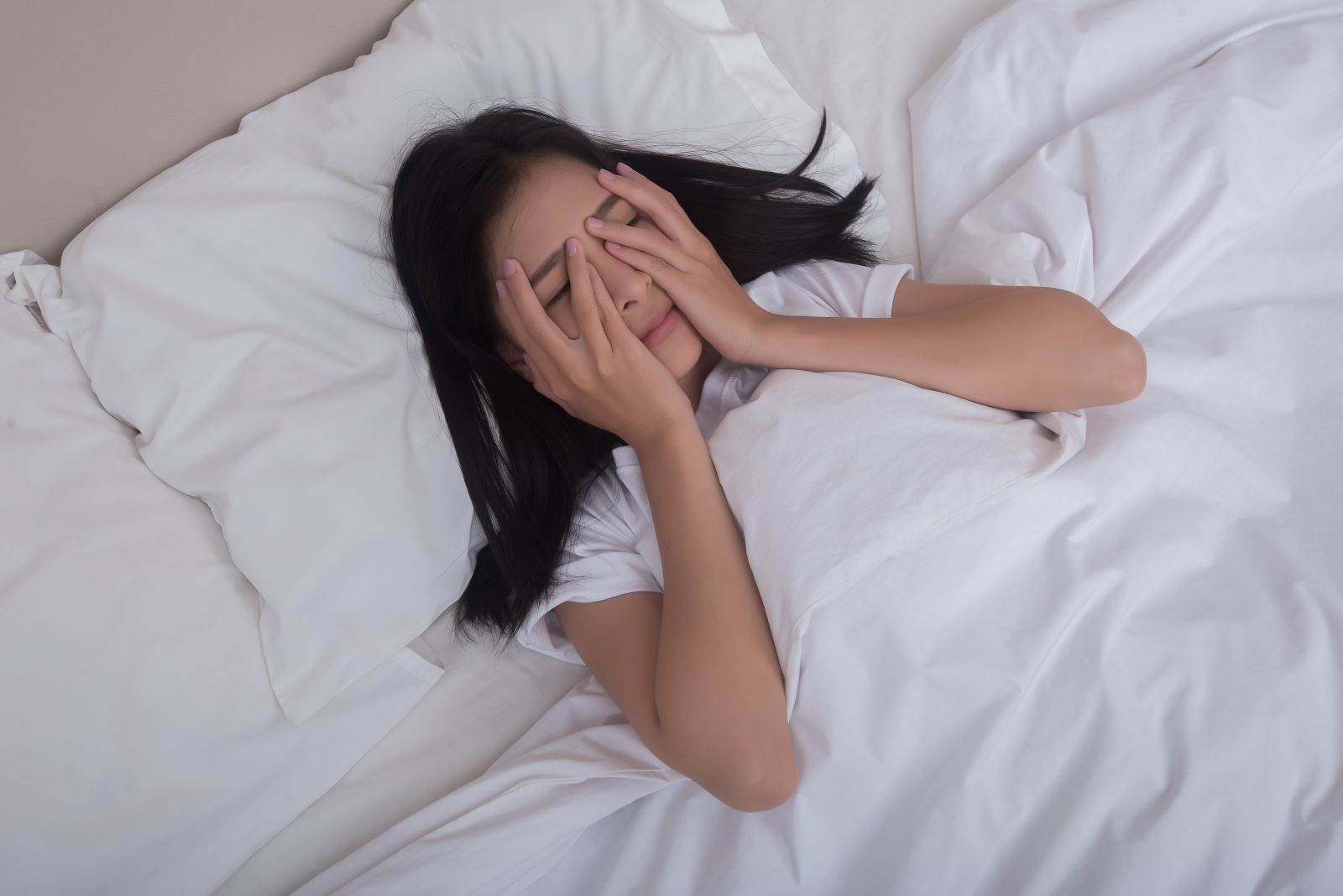
Because microsleep is caused by lack of sleep, the main step to overcome and prevent it is to get enough sleep at night, recommended 6 to 8 hours. Not only that, lifestyle also plays a role in preventing microsleep, some changes that need to be adjusted are as follows:
- Avoiding consumption of caffeine and alcohol before bedtime and when the body is tired
- Creating a quiet environment (turn off disturbing noises), turning off lights, and comfortable temperatures
- Avoiding strenuous activities before bed
Stay Safe During Homecoming
Homecoming trips generally take hours, requiring drivers to be in good condition and not sleepy. Microsleep has the potential to endanger yourself and your family, so make sure to drive cautiously. Even better, have someone else take over the driving. Through this method, drivers can take turns resting and avoid unwanted situations.
To help stay focused, some people benefit from playing music or podcasts. To maintain safety together, apart from sleepiness, here is a list of signs to watch out for and require the driver to pull over:
- Going out of lane
- Yawning continuously
- Eyelids feel heavy
- Missing toll exits or intersections

Meet the Doctor
If experiencing episodes of microsleep repeatedly or having a history of medical conditions that can increase the risk of its occurrence, then see a doctor. For example, when feeling excessively sleepy during the day, often waking up at night, only being able to sleep for a short time, difficulty focusing, or often being confused when speaking or activities.
Microsleep can endanger safety, so it is important for all of us to identify its signs, both in ourselves and others. Make sure to get enough quality sleep before driving long distances and pull over if signs like the ones above appear.
Hey, grab the Fitie app now for cool tips and other fun stuff!