Autonomous Sensory Meridian Response or more commonly known as ASMR, is a term to describe sensation, can be in the form of sound, visual, or even close contact with others (directly or indirectly). Those who enjoy it express that ASMR:
Feels like tingling, starting from the head and spreading to the back of the neck, sometimes to the entire body
A feeling of calm that envelops the body, starting from the scalp and moving down to the lower body
Mechanism in the Brain
Based on research results, ASMR affects the brain by activating areas that control emotions, empathy, and social engagement as they begin to feel its characteristic tingling sensation. ASMR is also known to cause the release of certain neurohormones such as dopamine, oxytocin, and endorphins, which are closely related to feelings of sleepiness, comfort, and relaxation.
ASMR is not harmful and a person usually does not become addicted to it even if it has been watched repeatedly. However, if you feel that your life depends on it or if this method disrupts your life, you may need to consult a doctor or therapist to find out the underlying problem.
Benefits
ASMR is not only about sound, but also includes whispers or gentle speaking tones, tapping, scratching, slow hand movements, repetitive activities, to personal attention. Examples close to us such as cooking, cutting food ingredients, applying makeup, to slime movements. Some benefits of ASMR based on research results are as follows:
- Provides instant pleasure and relaxation
- Improves mood, especially for those with high levels of depression
- Experiences relief from chronic pain
- Can improve concentration (so it might be good for ADHD treatment, but more research is needed to prove it)
- Helps sleep more soundly
- Reduces anxiety (so it might be beneficial for autistic people, but more research is needed to prove it)
- Reduces headaches
The benefits of ASMR above seem promising, but not everyone enjoys it, let alone feels its benefits. Some may even experience stress or sadness, and some others may not feel anything. Even among those who enjoy it, the tingling sensation may disappear if they receive too much stimulation.

ASMR for Sleep
If the context is for more relaxed sleep, physical touch may be more effective, such as gentle touches on the face, massages in certain areas, or eye contact with trusted individuals. Other strategies include through auditory stimulation (brushing, tapping, rain) or visual simulation (hand movements, interactions, or activities that require high concentration). Some brief steps if you want to use ASMR for sleep:
- Find effective ASMR triggers after trying various types of stimulation
- Remember that sleep is the time for the body to rest, so make sure you have finished managing previous stress or worries
- Set a regular sleep routine, done at the same time every night, to signal to your body that it's time to sleep.
- Prepare everything needed for ASMR before bed, such as downloading sleep apps or buying headphones
- Make sure the sleep environment is safe and comfortable to fall asleep
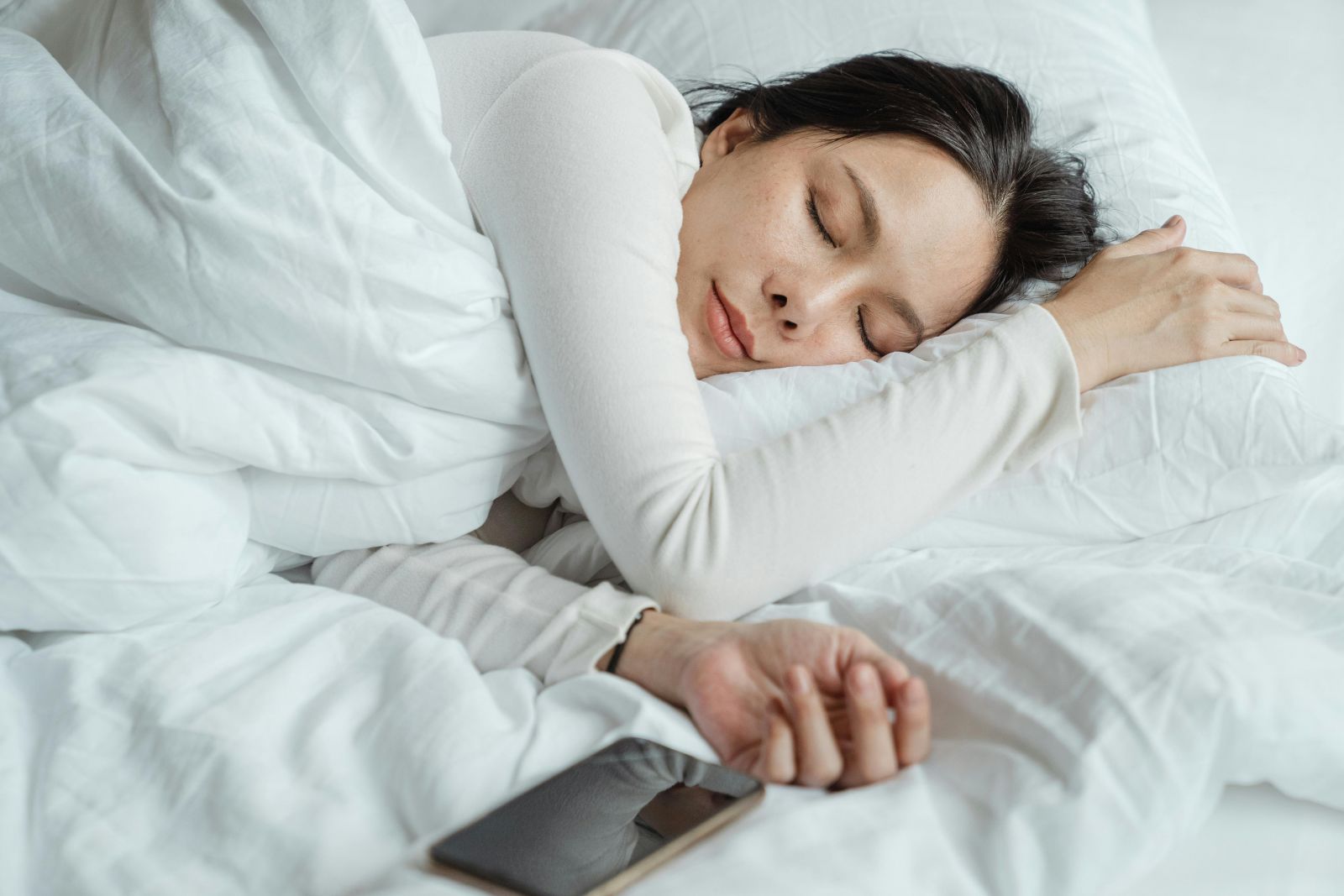
ASMR can bring benefits, from increasing pleasure, relaxation, mood, concentration, to reducing depression, anxiety, and headaches. Although it seems promising, not everyone enjoys it or feels its benefits. Some may even experience stress or sadness, while others may not feel anything. Are you Team ASMR or not?
Hey, grab the Fitie app now for cool tips and other fun stuff!