1. Store and Prepare Food Properly
Before starting preparation and after finishing handling food, please make sure the area used is clean. The goal is to avoid cross-contamination (contamination by bacteria or toxins that disrupt the body) that causes food poisoning. This can affect digestion and lead to diarrhea.
This must be considered not only during preparation but also during the cooking process. Ensure food is cooked thoroughly, especially beef, chicken, and fish, to kill bacteria that can cause diarrhea. Additionally, avoid using the same utensils for raw and cooked food before cleaning them thoroughly.
To ensure food is perfectly cooked, you can use a food thermometer before consuming it. If you don’t have one, at least know the minimum cooking time for each food ingredient. Some people may have personal preferences regarding the doneness of certain ingredients, like meat or sushi. However, there are still risks.
Lastly, regarding storage and preparation, first, throw frozen food in the refrigerator. Avoid thawing it in an open place at room temperature, as this can facilitate bacterial or fungal growth or spread. On the other hand, store leftovers in the fridge or freezer and reheat them to 73.8°C to kill as many bacteria as possible.
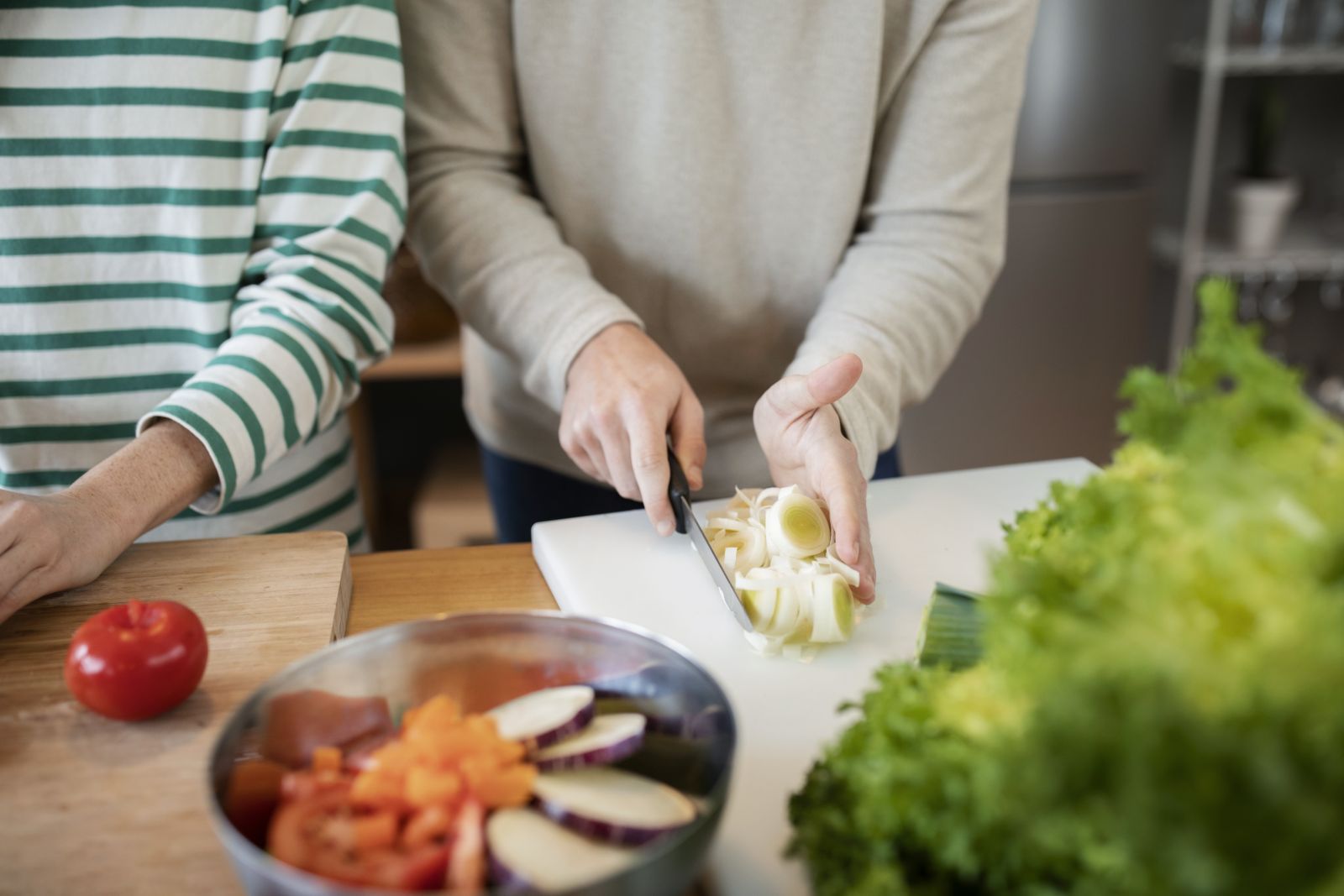
Make sure the area and utensils used for food preparation are clean.
2. Be Cautious About Eating and Drinking While Traveling
Diarrhea is quite susceptible when traveling, for instance, to areas we haven’t visited before with different cleanliness standards than our usual environment. Therefore, the main advice is to consume cooked food and avoid drinking tap water. Some steps that can be taken to prevent diarrhea while traveling include:
- Drinking bottled water and avoiding cold drinks with ice made from tap water
- Avoiding food washed with tap water
- Avoiding brushing teeth with tap water
- Checking the cleanliness of dining places before choosing to eat there
- Avoiding raw or undercooked food
- Avoiding raw food except for fruits and vegetables peeled by yourself
 Buy cooked food and avoid cold drinks with ice suspected to be made from tap water.
3. Wash Hands Regularly
To prevent the spread of viral and bacterial infections that commonly cause diarrhea, it’s important to wash hands regularly. Time includes before eating and preparing food, before feeding children, after shaking hands or using shared objects, after using public restrooms, and after changing diapers.
Wash hands with soap and running water for 40 to 60 seconds. However, if both are unavailable, always have hand sanitizer with at least 60% alcohol. The time for washing hands with this liquid is 20 to 30 seconds. Here are 6 steps to wash hands correctly:
- Take soap and rub it on both palms in a circular motion
- Rub both backs of hands alternately
- Rub between fingers
- Clean fingertips with a locking position
- Rub and rotate thumbs alternately on both sides
- Rub palms using fingertips
Three simple steps to prevent diarrhea include storing and preparing food properly, being cautious about eating and drinking while traveling, and washing hands regularly. By being aware of the importance of these three things, we can reduce the risk of getting diarrhea. This strategy helps maintain personal health and prevents the spread of infections to others.
Consult your health immediately on Fitie