1. Reduce Consumption of Saturated and Trans Fats
To manage blood cholesterol, one needs to limit the intake of saturated and trans fats. This is because both can increase LDL (bad fat) and total cholesterol levels while lowering HDL (good fat). Foods high in saturated fats include red meat and high-fat dairy products, while trans fats are found in fast food, cakes, pastries, and foods processed with margarine.
2. Increase Intake of Omega-3 and Soluble Fiber
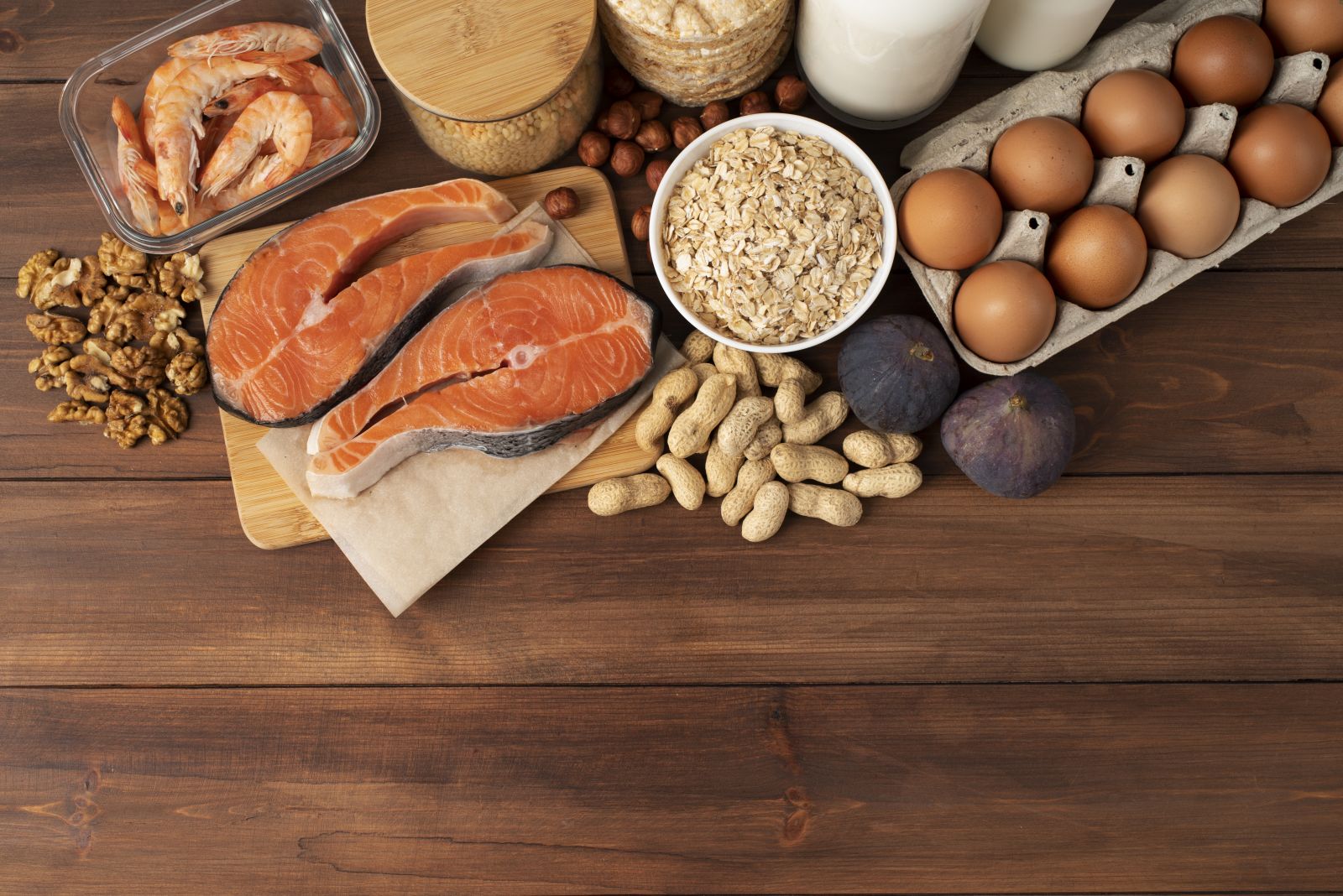
Conversely, it is recommended to increase the intake of monounsaturated fats, such as nuts, vegetable oils (canola oil, safflower oil, olive oil), and avocados. Additionally, there are polyunsaturated fats (commonly referred to as omega-3), such as salmon, mackerel, herring, and tuna, walnuts, flaxseeds, and fish oil supplements.
Soluble fiber is a type of fiber found in plants and whole grains. Soluble fiber helps reduce the absorption of cholesterol into the bloodstream. Examples of foods rich in soluble fiber include whole grains and their products, fruits, kidney beans, and peas.
3. Physical Activity
As we know, physical activity or exercise is very good for heart health. Besides improving fitness and preventing excess weight, exercise also helps reduce LDL levels and increase HDL levels. Therefore, follow the recommendation to exercise for 150 minutes per week. Engage in activities you enjoy, such as aerobics or weightlifting.
4. Achieve Ideal Body Weight
Excess weight or obesity can increase the risk of high cholesterol. Therefore, if you experience it, it is advisable to lose weight to help lower cholesterol levels. Along with exercise, weight loss can reduce LDL and increase HDL. Consult a nutritionist to get a proper meal plan while maintaining essential nutrient intake.

5. Avoid Smoking
Smoking increases the risk of heart disease in various ways, including raising LDL, lowering HDL, increasing cholesterol buildup in the arteries, and affecting cholesterol transport and absorption. By quitting smoking, these harmful effects can be prevented. After one year of quitting, the risk of heart disease is reduced to half that of an active smoker.
6. Limit Alcohol
Some studies show that moderate alcohol consumption can increase good HDL, but the Centers for Disease Control and Prevention and the American Heart Association do not recommend drinking alcohol, as its benefits are not strong enough to lower cholesterol and improve heart health. Both organizations state that there is no strong evidence linking alcohol to improved heart health.
Managing blood cholesterol effectively requires a comprehensive approach, from reducing saturated and trans fat intake, increasing omega-3 and soluble fiber intake, regular exercise, achieving ideal body weight, avoiding smoking, and limiting alcohol consumption. By adopting this healthy lifestyle, cholesterol increase can be prevented while good fat levels increase.
Read also 5 tips to lower cholesterol here!