Eye makeup has gained immense popularity in recent years, especially in the age of mask-wearing due to the pandemic. The eyeshadow world offers many choices, from natural hues to bold and vibrant shades. With various textures like gel, tint, matte, shimmer, and glitter effects, you can pick the perfect eyeshadow for your needs.
However, one common disappointment many of us encounter is the frustration of choosing a stunning eyeshadow palette only to find that the shades lack pigment or fail to appear as expected on our eyelids. Beautiful colors become a dream that remains unfulfilled because less-pigmented eyeshadow often produces a different hue when applied.
But fear not, Fitie is here to share some fantastic tips on dealing with less pigmented eyeshadow, allowing your eyeshadow to shine brilliantly when worn.
1. Eyeshadow Base for a Strong Start

Begin by using an eyeshadow base or primer. These products are essential for making eyeshadow colors last longer and preventing fallout. Eyeshadow primers typically have a creamy texture and come in white or skin-tone shades. They help neutralize your eyelid's natural color, provide a smooth texture, and control moisture levels. Dry eyelids can cause eyeshadow to look wrinkled, while overly oily lids can lead to quicker fading.
2. Concealer or Foundation as Alternatives
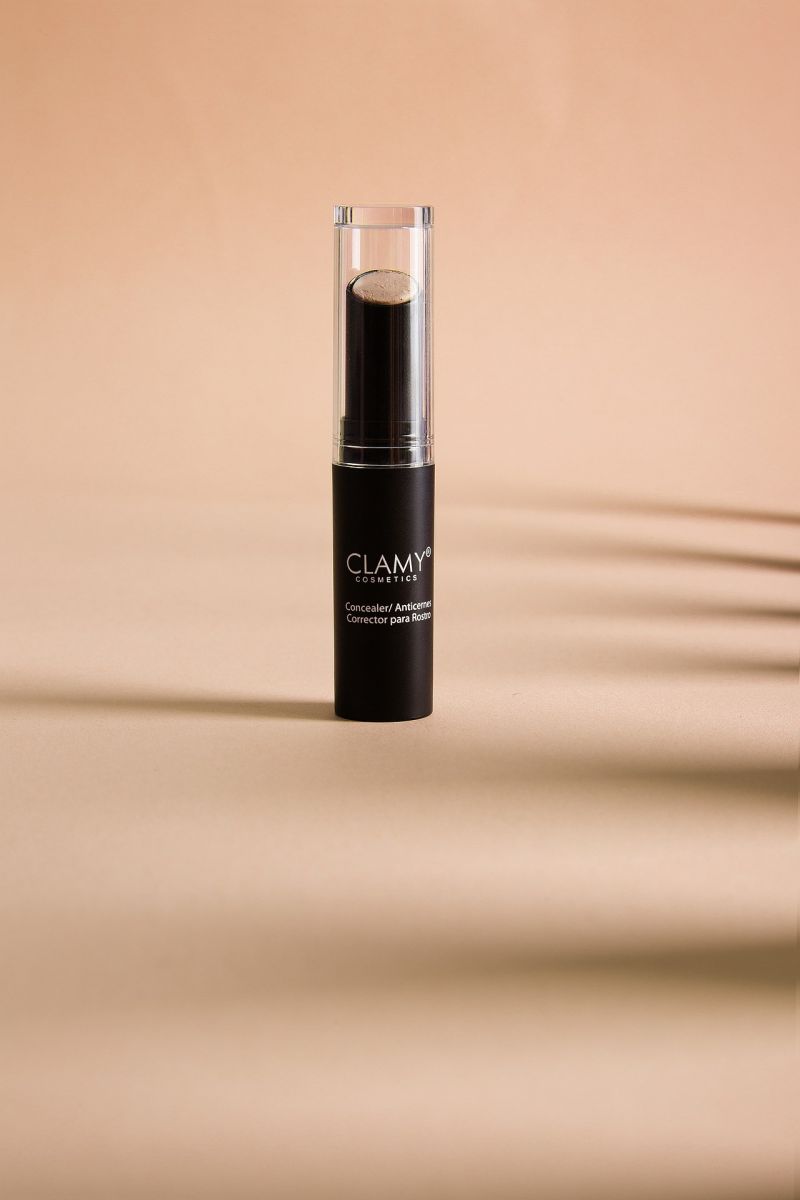
If you don't have an eyeshadow primer, don't worry. Concealer or foundation can serve as alternatives. Apply a thin layer to your eyelids, but be cautious not to overdo it, as excess product can lead to clumping and less-than-ideal makeup results.
3. Wet Your Brush for Better Color Payoff

Consider wetting your brush slightly before applying the product to eyeshadows that lack pigment. A damp brush can enhance the color payoff, particularly with cream or tinted eyeshadows. As some beauty influencers do, you can use water to moisten the brush or opt for setting spray or priming water to spritz onto the brush.
4. Start with a Transition Color
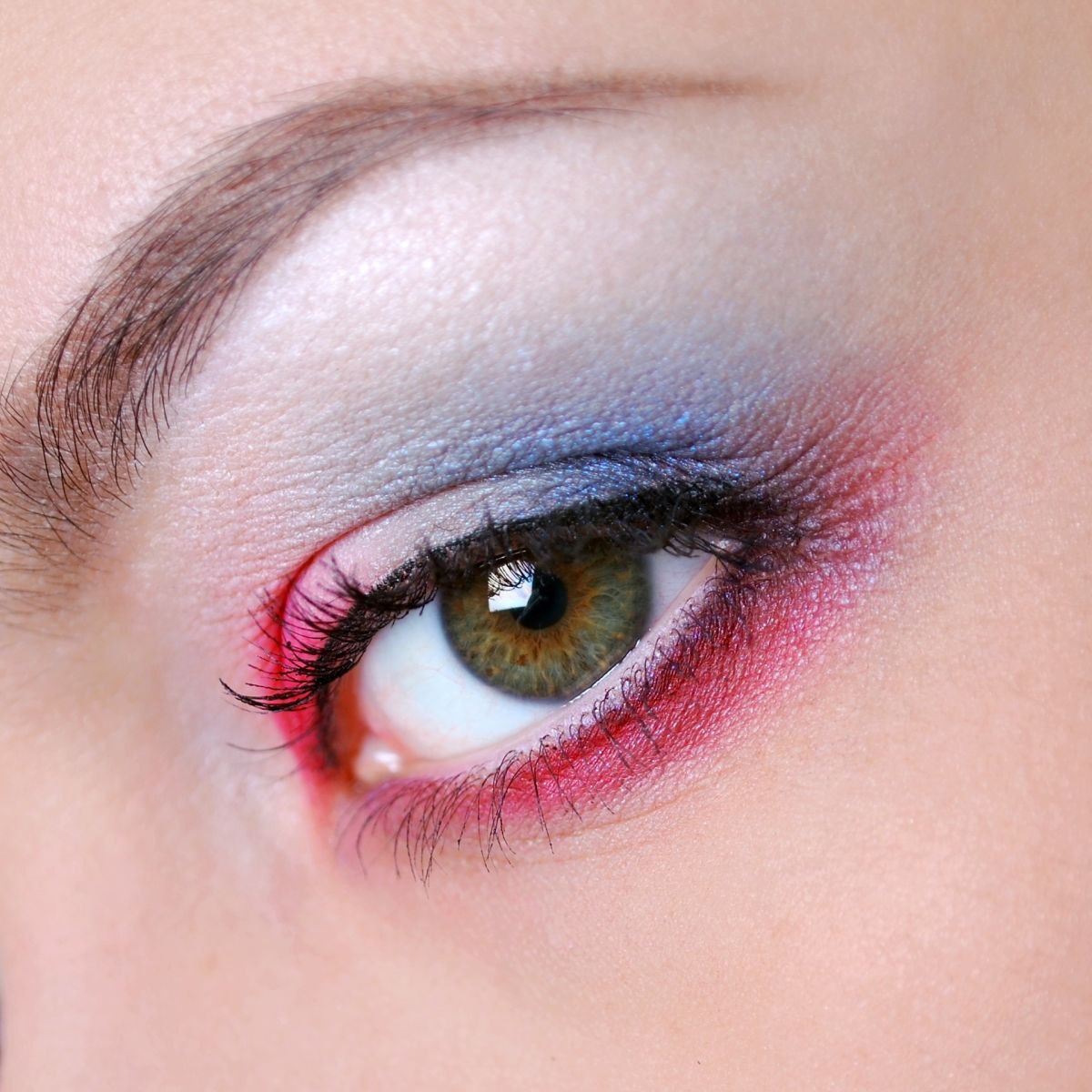
Before applying your desired eyeshadow shades, use a base color, such as white, or a shade slightly lighter than your skin tone. This "transition color" creates a neutral canvas, ensuring better blending and more true-to-color results.
With these tips, you can overcome the challenge of less pigmented eyeshadow and make the most of your makeup collection. Say goodbye to disappointments and hello to stunning eyeshadow looks. Enjoy experimenting with your eyeshadows, and may your eyes dazzle with vibrant, long-lasting colors!