Mother's Day in Indonesia is a significant occasion that pays tribute to the remarkable women who have contributed to the elevation of Indonesian women and honors the unwavering dedication of mothers in nurturing the nation's future leaders. But do you know the historical origins of this cherished day?
December 22 is celebrated as Mother's Day nationwide, a designation officially recognized through RI Presidential Decree No. 316 on December 16, 1959. The tireless efforts of mothers were so profound that the entire nation came together to commemorate this special day.
Let's delve into the intriguing history of Mother's Day with these three compelling facts.
1. The Inaugural Women's Congress on December 22, 1928
The roots of Mother's Day trace back to December 22-25, 1928, when various women's organizations convened in Yogyakarta for the first women's congress. This historic gathering witnessed the participation of approximately 30 women's organizations from 12 cities across Java and Sumatra, including notable groups such as Wanita Utomo, Wanita Khatolik, and Jong Java women's section.
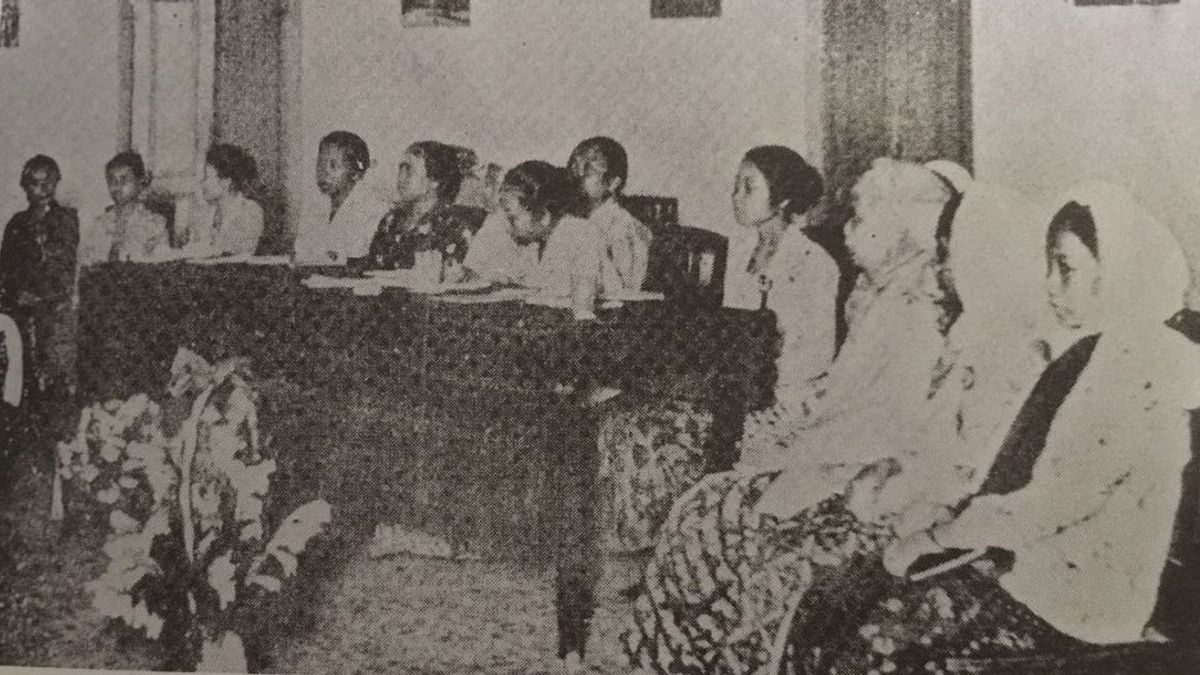
This event is a seminal moment in Indonesia's women's rights movement. It united leaders from women's organizations across the archipelago in a collective effort to fight for independence and enhance the status of women in society.
On the second day of the congress, Moega Roemah addressed the pressing issue of child marriage. Long before the struggle for independence, the fate of women in Indonesia was often dictated by their marital status, with many girls being married off at a young age. The congress predominantly centered on advocating for women's rights.
2. A Tribute to Unsung Heroines Beyond R.A. Kartini
President Soekarno instituted Mother's Day in response to public outcry against the president's decision to establish Kartini Day. Many believed that Kartini did not adequately represent the broader women's struggle, as her efforts were primarily focused in Japan and Rembang. Furthermore, Kartini was seen by some as more accommodating to Dutch colonial rule.
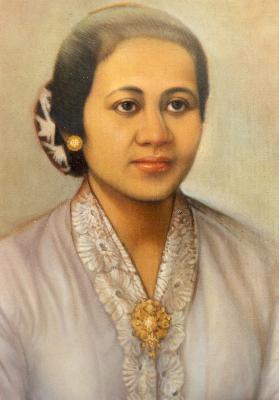
To mitigate protests surrounding the celebration of Kartini Day, which President Soekarno had already designated, Mother's Day was established to honor the contributions of other unsung female heroes who played vital roles in advancing girls' education in Indonesia. Figures like Rohana Koedoes, Kartini, and Dewi Sartika were instrumental in establishing schools for girls, enabling Indonesian women to access education.
3. The Empowering Speech "Iboe" by Djami (Darmo Laksmi Organization)
.jpeg)
During the colonial era, girls were denied access to education, and the prevailing belief was that a woman's primary role was managing household affairs. However, Djami challenged this stereotype with her powerful words:
"No one will be famous for his intelligence and knowledge whose mother or daughter is not a woman of high knowledge and virtue."
Djami's statement emphasized the pivotal role of women in nurturing the intellect and success of future generations, dispelling the notion that their significance was confined to the domestic sphere.
As we celebrate Mother's Day, let's remember the historical journey that brought us to this day of recognition and appreciation for the remarkable women who have shaped Indonesia.