A person can get dengue more than once, but there is no specific treatment for this disease. The focus of treatment is to relieve symptoms. So far, we know that the disease is transmitted from mosquitoes to humans through bites. But in fact, there are 3 ways dengue hemorrhagic fever (DHF) is transmitted. Here is the explanation.
1. Mosquito to Human
Transmission of dengue hemorrhagic fever (DHF) is mainly from "infected" female Aedes aegypt mosquitoes to humans through bites. Initially, the mosquito bites a person infected with the dengue virus. The virus then multiplies in the mosquito's midgut and spreads to secondary tissues, including its salivary glands.
Generally, the extrinsic incubation period takes about 8 to 12 days at temperatures between 25-28 degrees Celsius. What is the extrinsic incubation period? It is the time from the ingestion of the virus by the mosquito to transmitting it to a new host (human). After transmitting the virus, the mosquito will transmit the virus for the rest of its life.
2. Human to Mosquito
Mosquitoes can be infected from people infected with the dengue virus, for example from those who experience dengue fever, whether it is symptomatic, pre-symptomatic, or even asymptomatic. The dengue virus is transmitted between 2 days before symptoms appear or 2 days after the fever subsides. The more severe the symptoms experienced by a person, the greater the risk of mosquito infection.
3. Pregnant Mother to Fetus
Apart from mosquitoes to humans and vice versa, the dengue virus can also be transmitted from an "infected" pregnant woman to her unborn baby or during labor. This type of transmission is called vertical transmission. However, the risk is low, and is influenced by when the dengue infection occurs during pregnancy.
Possible risks include premature birth, low birth weight, and fetal distress (fetal oxygen deprivation during pregnancy or labor). According to the CDC, there is one report that dengue is spread through breast milk. However, every pregnant woman who lives in an endemic area, even if she is not infected, is still encouraged to breastfeed her baby.

There is a potential risk of transmission from an infected pregnant woman to her baby
Other Rare Dengue Transmissions
In very rare cases, the dengue virus is transmitted through blood donations, organ transplants, and laboratory accidents. In people infected with dengue virus, the virus can be detected in the blood about 7 days after the onset of symptoms or 1-2 days before symptoms appear. Thus, transmission is possible when a person develops dengue symptoms after receiving a blood donation.
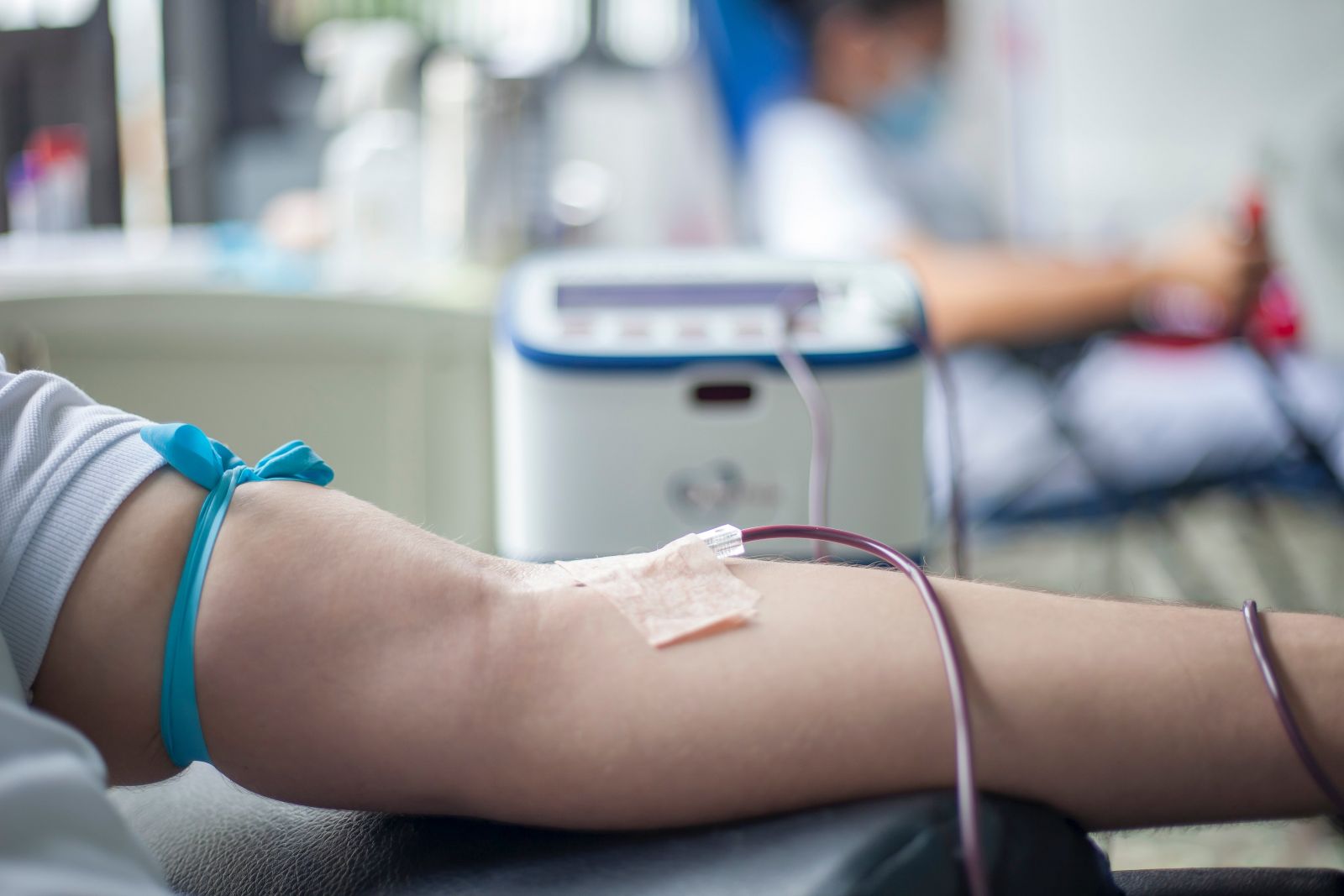
There have been cases of dengue fever transmission through blood donation, but they are very rare.
Prevention
The main way to prevent dengue fever transmission is to avoid mosquito bites. Some strategies are to use insect repellent (burn or lotion), wear long-sleeved loose shirts and pants, use screens on windows, and eradicate mosquito nests. Let's see the full explanation here.
There are 3 ways of transmission of dengue hemorrhagic fever, namely infected mosquitoes to healthy humans, infected humans to healthy mosquitoes, and pregnant women to babies in the womb or during childbirth. Prevention of dengue virus transmission can be done by routinely using mosquito repellent, wearing clothes that cover the skin, and implementing mosquito nest eradication (PSN). Ladies, have you done it yet?
Let's download the Fitie application now to get tips and other interesting information!