Hormonal acne is typically characterized by the appearance of bumps on the face, shoulders, chest, and back. This type of acne occurs due to an excess of sebum produced by the oil glands. What is sebum? Sebum is an oily substance produced by the sebaceous glands in the middle layer of the skin. Its appearance can last for several days to weeks, but it can persist for months if left untreated.
Both men and women can have hormonal acne, but it is generally experienced by adult women, pregnant women, and menopausal women, ranging in age from 20 to 50 years old. Hormonal acne usually arises from the hair follicles, which is why it is sometimes mistaken for fungal acne. However, there are differences between the two:
- Hormonal acne: develops due to excess sebum
- Fungal acne: develops due to excess fungi, causing whiteheads, itching, redness, irritation, and inflammation
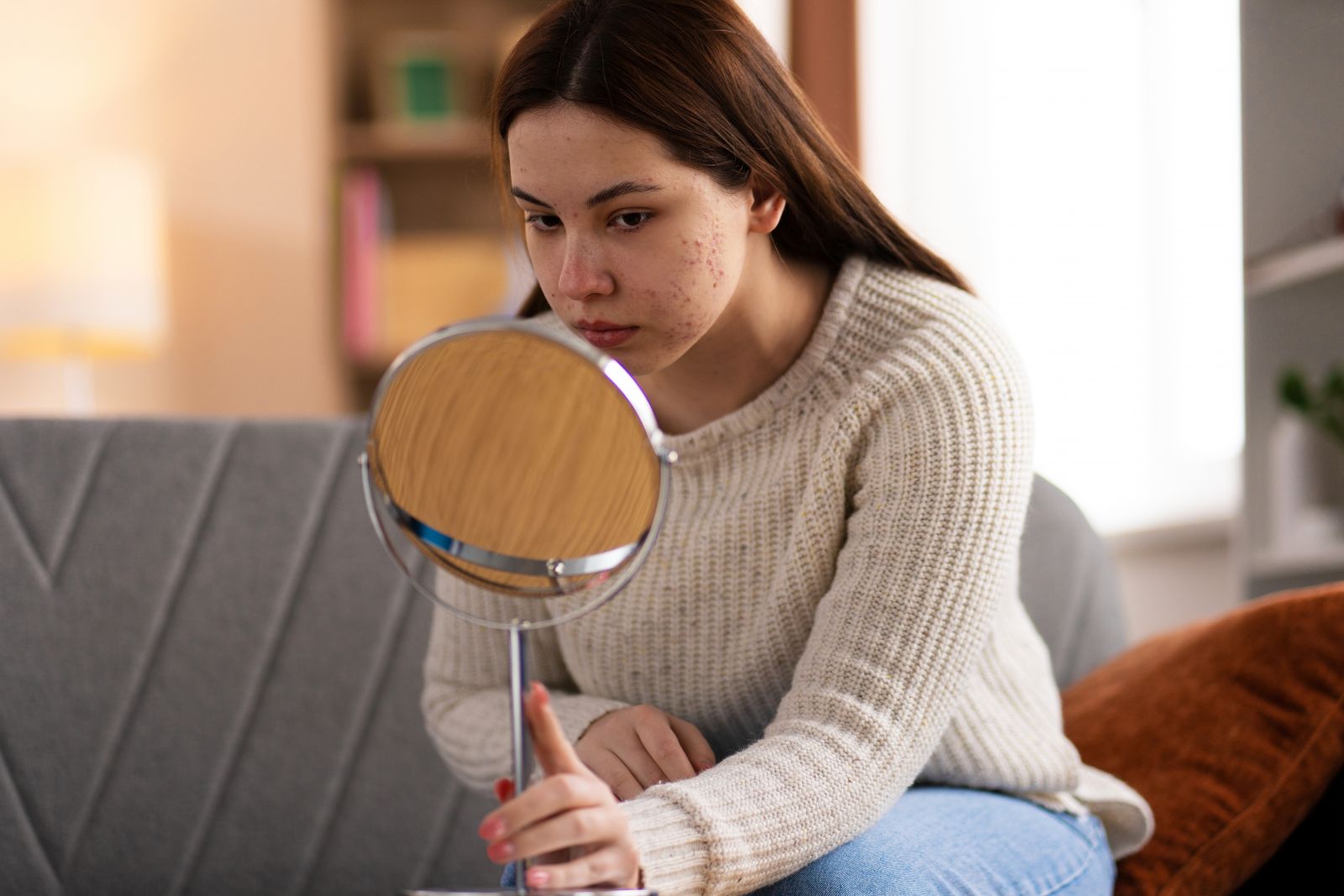 Most women have experienced hormonal acne at some point
Signs and Symptoms
Acne usually causes tissue damage (lesions) that then become inflamed, appear red, and feel painful or sore. These lesions are likely to appear on the cheeks but can also occur on the face, neck, back, shoulders, and chest. The condition can worsen when a person experiences stress, exposure to pollution, humid environments, or when they pick at it. Hormonal acne comes in various forms:
- Pimples
- Blackheads
- Whiteheads
- Raised skin tissue with a diameter of 2-5 mm (papules)
- Pus-filled raised skin tissue with a diameter of 2-5 mm (pustules)
- Fluid-filled skin tissue (cysts)
Causes
As the name suggests, hormonal acne occurs when there is an increase in hormone levels, leading to the production of more oil by the skin. This oil then interacts with bacteria in the skin pores, which are the sites of hair follicles. When this happens, the pores become blocked, resulting in hormonal acne. The blockage of these pores can be caused by excess sebum production, dead skin cells, and bacterial growth.
1. Causes that Cannot be Addressed
Hormonal fluctuations in women (menstruation, pregnancy, menopause, after stopping contraceptive use), men undergoing testosterone treatment, family history, side effects of steroid medications, or pre-existing medical conditions such as polycystic ovary syndrome (PCOS) and excess androgen hormones.
2. Causes that Can be Addressed
Stress, lack of sleep, use of hair care or skin care products that are not oil-free and non-comedogenic

Acne occurs due to the production of more oil during a rise in the body's hormone levels
Treatment
Identifying whether the acne is hormonal or not is done through physical examination, while exploring related skin care products used, sleep habits, stress, consumption of certain medications, and health changes. There are several treatments available, such as:
- Blackheads and whiteheads: topical creams (tretinoin)
- Inflammatory acne: topical retinoids and/or topical antibiotics and/or benzoyl peroxide
- Moderate to severe acne: antibiotics and/or isotretinoin (retinoid)
- Cystic acne: steroid injections (intralesional triamcinolone)
Prevention
In addition to the above treatments, we can control the appearance of hormonal acne by regularly cleansing the skin every day, adopting healthy and balanced eating habits, managing stress effectively, getting enough quality sleep, and using skin care that does not clog pores.
Hormonal acne is more commonly experienced by women within certain age ranges, such as during pregnancy or menopause. This type of acne does not simply appear out of nowhere but can be prevented by adopting good lifestyle habits, starting from using oil-free and non-comedogenic skin care products, regularly cleansing the skin, maintaining a healthy diet, managing stress effectively, and getting enough quality sleep.
Hey, grab the Fitie app now for cool tips and other fun stuff!